



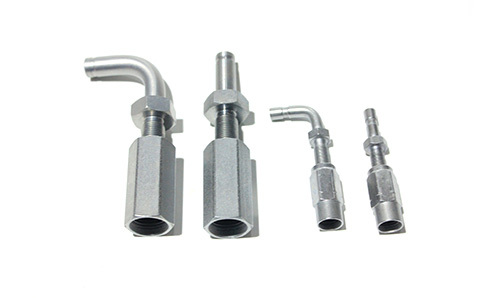
Exploring the Benefits of Progressive Lubrication for Electric Generators
Exploring the Benefits of Progressive Lubrication for Electric Generators
Table of Contents
1. Introduction to Progressive Lubrication
2. Understanding Electric Generators and Their Importance
3. The Mechanics of Progressive Lubrication
3.1 How Progressive Lubrication Works
3.2 Key Components of Progressive Lubrication Systems
4. Benefits of Progressive Lubrication for Electric Generators
4.1 Enha
Exploring the Benefits of Progressive Lubrication for Electric Generators
Table of Contents
1. Introduction to Progressive Lubrication
2. Understanding Electric Generators and Their Importance
3. The Mechanics of Progressive Lubrication
3.1 How Progressive Lubrication Works
3.2 Key Components of Progressive Lubrication Systems
4. Benefits of Progressive Lubrication for Electric Generators
4.1 Enhanced Efficiency and Performance
4.2 Reduced Wear and Tear on Components
4.3 Decreased Maintenance and Operating Costs
4.4 Extended Equipment Lifespan
5. Comparing Progressive Lubrication with Traditional Lubrication Methods
6. Installation and Maintenance of Progressive Lubrication Systems
6.1 Important Considerations for Installation
6.2 Regular Maintenance Practices
7. Case Studies: Successful Implementation of Progressive Lubrication
8. Frequently Asked Questions (FAQs)
9. Conclusion
1. Introduction to Progressive Lubrication
Progressive lubrication is an innovative approach tailored for the lubrication of machinery, particularly electric generators. It ensures that every component receives a consistent supply of lubricant, enhancing performance and minimizing wear. As the demand for reliable power generation grows, understanding the significance of progressive lubrication becomes crucial for maintaining operational efficiency.
2. Understanding Electric Generators and Their Importance
Electric generators play a pivotal role in modern society by converting mechanical energy into electrical energy. They are essential for various applications, from industrial power stations to residential electricity supply. With the increasing reliance on uninterrupted power, ensuring the efficiency and longevity of these machines is paramount.
3. The Mechanics of Progressive Lubrication
3.1 How Progressive Lubrication Works
Progressive lubrication systems operate on a simple yet effective principle. These systems utilize a series of progressive feeders that distribute lubricant to multiple points in a pre-determined sequence. This ensures that each part receives the necessary amount of lubricant, preventing dry runs and overheating.
3.2 Key Components of Progressive Lubrication Systems
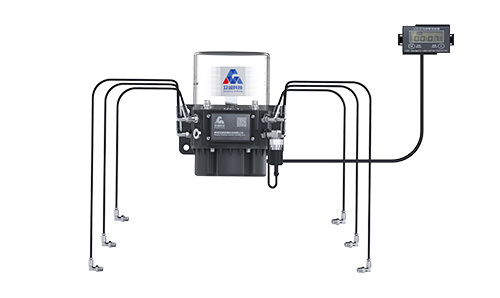
A typical progressive lubrication system comprises several essential components:
- **Lubrication Pump**: Initiates the flow of lubricant.
- **Progressive Feeder**: Distributes the lubricant to various points.
- **Lubrication Lines**: Transport lubricant from the pump to the machinery.
- **Sensors and Controls**: Monitor the system for optimal performance and alert to issues.
4. Benefits of Progressive Lubrication for Electric Generators
Progressive lubrication offers numerous advantages, particularly when applied to electric generators.
4.1 Enhanced Efficiency and Performance
With a steady supply of lubricant, electric generators can operate at peak efficiency. Consistent lubrication reduces friction, allowing the generator to run smoothly and effectively, which can lead to a significant increase in overall performance.
4.2 Reduced Wear and Tear on Components
One of the primary benefits of progressive lubrication is its ability to minimize wear and tear on generator components. By ensuring that all moving parts receive adequate lubrication, the system reduces the risk of overheating and mechanical failure, leading to a more dependable operation.
4.3 Decreased Maintenance and Operating Costs
Implementing a progressive lubrication system can drastically lower maintenance costs. Fewer breakdowns and mechanical failures translate to less downtime, which is critical for businesses that rely on constant power generation. The long-term savings on repairs and replacements make this system an economical choice.
4.4 Extended Equipment Lifespan
Proper lubrication is essential for prolonging the life of electric generators. Progressive lubrication systems deliver consistent lubricant to all necessary components, significantly extending their operational lifespan. This longevity not only benefits the equipment but also enhances return on investment.
5. Comparing Progressive Lubrication with Traditional Lubrication Methods
Traditional lubrication methods, such as manual greasing, often lead to uneven lubricant distribution. In contrast, progressive lubrication systems provide a more reliable and efficient solution. By comparing both approaches, it becomes evident that progressive lubrication reduces the risk of human error and ensures optimal performance.
6. Installation and Maintenance of Progressive Lubrication Systems
6.1 Important Considerations for Installation
When installing a progressive lubrication system, several factors must be considered:
- **System Compatibility**: Ensure the lubrication system matches the specifications of the generator.
- **Layout Planning**: Properly plan the layout of lubrication lines to avoid obstructions and ensure efficiency.
- **Quality Components**: Use high-quality components to guarantee reliability and performance.
6.2 Regular Maintenance Practices
Maintaining a progressive lubrication system is crucial for its effectiveness. Regular checks on lubricant levels, monitoring for leaks, and servicing the pump and feeders are essential practices that help achieve optimal performance.
7. Case Studies: Successful Implementation of Progressive Lubrication
To illustrate the effectiveness of progressive lubrication, several case studies highlight successful implementations in various industries:
- **Industrial Power Plants**: Many power plants have reported reduced maintenance costs and increased generator reliability after integrating progressive lubrication systems.
- **Marine Applications**: In marine environments, where wear is exacerbated by saltwater, progressive lubrication has proven essential for maintaining generator functionality and reducing corrosion.
8. Frequently Asked Questions (FAQs)
1. What is the lifespan of a progressive lubrication system?
A well-maintained progressive lubrication system can last several years, depending on usage and environmental conditions.
2. How often should I check my lubrication system?
Regular checks should be performed at least monthly to ensure proper function and to catch any potential issues early.
3. Can progressive lubrication be retrofitted to existing generators?
Yes, many existing electric generators can be retrofitted with progressive lubrication systems, although compatibility should be assessed.
4. What types of lubricants can be used with progressive lubrication systems?
Various lubricants, including oils and greases, can be used, depending on the manufacturer's recommendations.
5. Are there any drawbacks to using progressive lubrication systems?
While the benefits significantly outweigh the drawbacks, potential issues can include higher initial installation costs and the need for maintenance. However, the long-term savings and efficiency make them a worthwhile investment.
9. Conclusion
Progressive lubrication systems present a vital innovation for enhancing the performance and longevity of electric generators. By ensuring consistent lubricant distribution, these systems not only improve efficiency but also reduce maintenance costs and extend equipment lifespan. As industries continue to evolve, adopting such advanced lubrication solutions will be critical for maintaining optimal generator functionality and reliability in an increasingly power-dependent world.
Previous



Phone/WhatsApp:
Email:
About Us
Zhengzhou Zhongcheng Lubrication Technology Co., Ltd. is a high-tech enterprise incubated by YUTONG. It mainly focuses on centralized lubrication systems, precision filtration systems and hydraulic systems as its main business!
HUATAO GROUP


