


Maximizing Efficiency with Multi-Line Plunger Lubrication Systems in Generator Equipment
In the realm of electrical engineering, particularly within the context of generator equipment, maintaining optimal performance and longevity is paramount. One effective solution to enhance the reliability of your machinery is the implementation of a multi-line plunger lubrication system. This specialized system plays a crucial role in ensuring that all moving parts are adequately lubricated, whic
In the realm of electrical engineering, particularly within the context of generator equipment, maintaining optimal performance and longevity is paramount. One effective solution to enhance the reliability of your machinery is the implementation of a multi-line plunger lubrication system. This specialized system plays a crucial role in ensuring that all moving parts are adequately lubricated, which is essential for reducing friction and wear.
A multi-line plunger lubrication system operates by delivering precise amounts of lubricant to multiple points in a machine simultaneously. This system is especially beneficial for larger generators and complex machinery where access to all lubrication points can be challenging. By using a centralized approach, technicians can ensure consistent lubrication, which can lead to a significant reduction in maintenance costs and downtime.
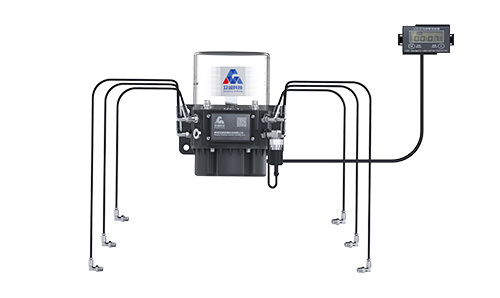
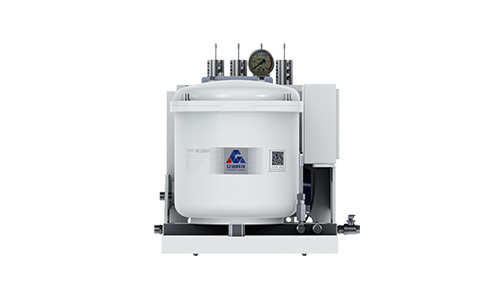
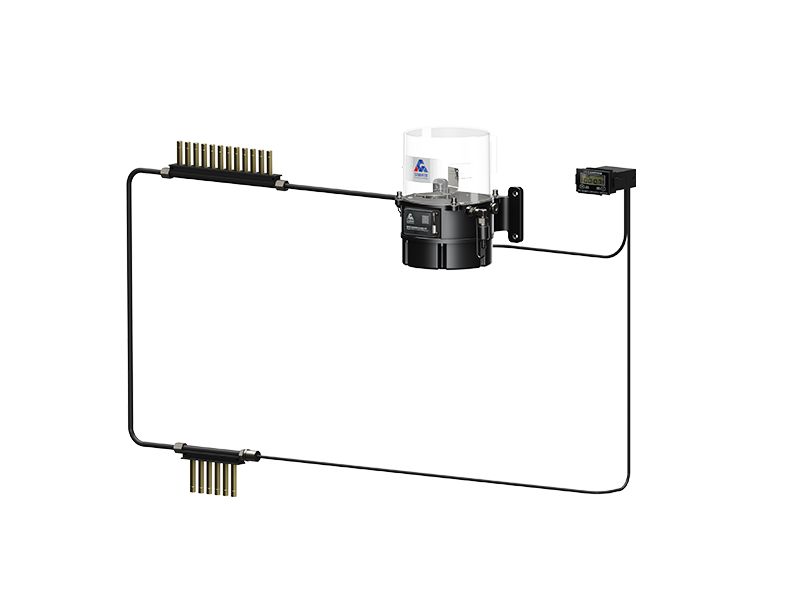
The primary components of a multi-line plunger lubrication system include a pump, a control unit, and a series of distribution lines that connect to the lubrication points. The pump is responsible for delivering the lubricant under pressure, while the control unit can automate the process based on pre-set intervals or machine operating conditions. This automation not only improves efficiency but also allows for real-time monitoring of lubricant levels.
One of the standout advantages of using a multi-line plunger lubrication system is the precise control it offers. It allows operators to adjust the flow rates of lubricants to different sections of the generator, depending on their specific needs. This customization is particularly beneficial in scenarios where certain components may require more frequent lubrication than others.
Furthermore, implementing a multi-line plunger lubrication system contributes to a safer working environment. By automating the lubrication process, the risks associated with manual lubrication tasks, such as spills and exposure to potentially hazardous materials, are significantly mitigated. This not only protects workers but also reduces the environmental impact associated with lubricant waste.
In terms of maintenance, these systems are designed for longevity with minimal intervention. Regular monitoring and occasional servicing are generally sufficient to keep them operating optimally. This ease of maintenance translates into less downtime and allows operators to focus on other critical aspects of generator management.
In conclusion, integrating a multi-line plunger lubrication system into your generator equipment can result in enhanced performance, reduced maintenance costs, and improved safety measures. By ensuring that all components receive the appropriate amount of lubrication, you can extend the life of your machinery and optimize operational efficiency, making it a worthwhile investment for any electrical engineering application.
A multi-line plunger lubrication system operates by delivering precise amounts of lubricant to multiple points in a machine simultaneously. This system is especially beneficial for larger generators and complex machinery where access to all lubrication points can be challenging. By using a centralized approach, technicians can ensure consistent lubrication, which can lead to a significant reduction in maintenance costs and downtime.
The primary components of a multi-line plunger lubrication system include a pump, a control unit, and a series of distribution lines that connect to the lubrication points. The pump is responsible for delivering the lubricant under pressure, while the control unit can automate the process based on pre-set intervals or machine operating conditions. This automation not only improves efficiency but also allows for real-time monitoring of lubricant levels.
One of the standout advantages of using a multi-line plunger lubrication system is the precise control it offers. It allows operators to adjust the flow rates of lubricants to different sections of the generator, depending on their specific needs. This customization is particularly beneficial in scenarios where certain components may require more frequent lubrication than others.
Furthermore, implementing a multi-line plunger lubrication system contributes to a safer working environment. By automating the lubrication process, the risks associated with manual lubrication tasks, such as spills and exposure to potentially hazardous materials, are significantly mitigated. This not only protects workers but also reduces the environmental impact associated with lubricant waste.
In terms of maintenance, these systems are designed for longevity with minimal intervention. Regular monitoring and occasional servicing are generally sufficient to keep them operating optimally. This ease of maintenance translates into less downtime and allows operators to focus on other critical aspects of generator management.
In conclusion, integrating a multi-line plunger lubrication system into your generator equipment can result in enhanced performance, reduced maintenance costs, and improved safety measures. By ensuring that all components receive the appropriate amount of lubrication, you can extend the life of your machinery and optimize operational efficiency, making it a worthwhile investment for any electrical engineering application.


Phone/WhatsApp:
Email:
About Us
Zhengzhou Zhongcheng Lubrication Technology Co., Ltd. is a high-tech enterprise incubated by YUTONG. It mainly focuses on centralized lubrication systems, precision filtration systems and hydraulic systems as its main business!
HUATAO GROUP


