



Enhancing Reliability: How Progressive Lubrication Systems Benefit Power Generation
Enhancing Reliability: How Progressive Lubrication Systems Benefit Power Generation
Table of Contents
1. Introduction to Progressive Lubrication Systems
2. Understanding Power Generation Equipment
3. The Importance of Lubrication in Power Generation
4. What Are Progressive Lubrication Systems?
5. Key Benefits of Progressive Lubrication Systems
6. Enhanced Reliability and P
Enhancing Reliability: How Progressive Lubrication Systems Benefit Power Generation
Table of Contents
- 1. Introduction to Progressive Lubrication Systems
- 2. Understanding Power Generation Equipment
- 3. The Importance of Lubrication in Power Generation
- 4. What Are Progressive Lubrication Systems?
- 5. Key Benefits of Progressive Lubrication Systems
- 6. Enhanced Reliability and Performance
- 7. Cost Efficiencies and Savings
- 8. Real-World Case Studies
- 9. The Future of Progressive Lubrication Systems in Power Generation
- 10. Frequently Asked Questions
- 11. Conclusion
1. Introduction to Progressive Lubrication Systems
In the ever-evolving power generation industry, maximizing equipment reliability is paramount. Progressive lubrication systems have emerged as a vital solution to enhance operational efficiency and reduce downtime. These systems intelligently deliver lubrication to critical components, ensuring peak performance and prolonged lifespan. This article delves into the mechanics and advantages of progressive lubrication systems, specifically focusing on their impact on power generation.
2. Understanding Power Generation Equipment
Power generation encompasses a range of technologies, including fossil fuels, renewables, and nuclear energy. Equipment such as turbines, generators, and engines plays a crucial role in this process. Each component operates under challenging conditions, facing extreme temperatures, pressures, and vibrations. Therefore, effective lubrication is essential to mitigate wear and tear, extend equipment life, and ensure safety.
Types of Power Generation Equipment
- **Gas Turbines:** These are widely used for their high efficiency and quick startup capabilities.
- **Steam Turbines:** They convert thermal energy into mechanical energy and are common in coal and nuclear power plants.
- **Hydroelectric Generators:** These utilize water flow to generate electricity and require robust lubrication for their moving parts.
- **Wind Turbines:** With increasing reliance on renewable sources, proper lubrication ensures reliability in fluctuating environments.
3. The Importance of Lubrication in Power Generation
Lubrication is not merely a supportive function; it is a critical component of equipment maintenance. Proper lubrication reduces friction, dissipates heat, and prevents corrosion, which is essential in high-stress environments. Without effective lubrication, equipment can suffer catastrophic failures, leading to costly repairs and downtime. Therefore, understanding lubrication systems is vital for any power generation operation.
Consequences of Poor Lubrication
- **Increased Wear and Tear:** Insufficient lubrication can lead to premature failure of components.
- **Heat Buildup:** Lack of lubrication causes components to overheat, resulting in damage and reduced efficiency.
- **Higher Maintenance Costs:** Frequent repairs and replacements can significantly inflate operational costs.
4. What Are Progressive Lubrication Systems?
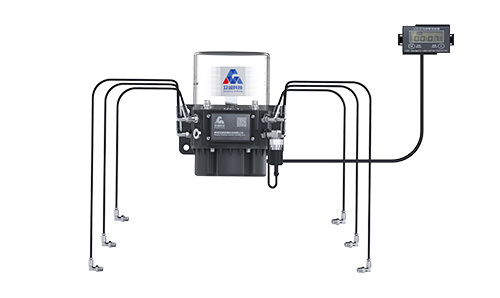
Progressive lubrication systems are advanced mechanisms designed to deliver a consistent amount of lubricant to various points in machinery. Unlike traditional systems, which may rely on a centralized reservoir, progressive systems utilize a series of metering devices that ensure precise delivery.
Components of a Progressive Lubrication System
- **Pump:** The heart of the system, responsible for delivering lubricant under pressure.
- **Metering Valves:** These regulate the flow of lubricant to specific points, ensuring even distribution.
- **Piping and Hoses:** They transport the lubricant to various components in the machinery.
- **Control System:** Often integrated with the equipment's operational controls, allowing for automated lubrication schedules.
5. Key Benefits of Progressive Lubrication Systems
Integrating progressive lubrication systems into power generation operations offers numerous benefits:
5.1 Enhanced Equipment Longevity
By delivering a consistent flow of lubricant, these systems prevent parts from running dry, extending the life of critical components.
5.2 Improved Operational Efficiency
Efficient lubrication reduces energy consumption and increases the overall efficiency of power generation processes.
5.3 Reduced Maintenance Intervals
With automated lubrication, maintenance staff can focus on other essential tasks, knowing that lubrication is being handled effectively.
5.4 Environmental Benefits
Progressive lubrication systems can minimize lubricant waste, contributing to more sustainable operations.
5.5 Increased Safety
By minimizing friction and the risk of overheating, these systems reduce the likelihood of equipment failure, enhancing workplace safety.
6. Enhanced Reliability and Performance
Reliability in power generation is critical. Progressive lubrication systems contribute to enhanced reliability by ensuring that all moving parts receive adequate lubrication. This consistency leads to:
6.1 Fewer Breakdowns
With optimal lubrication, the likelihood of sudden equipment failure is significantly reduced.
6.2 Stable Performance
Consistent lubrication helps maintain operational efficiency, leading to steady power output.
6.3 Predictable Maintenance Needs
By implementing a progressive lubrication system, operators can better predict when maintenance will be required, reducing unexpected outages.
7. Cost Efficiencies and Savings
One of the most compelling reasons to adopt progressive lubrication systems is the cost savings they provide.
7.1 Decreased Lubrication Costs
These systems optimize the amount of lubricant used, reducing both the frequency and volume of lubricant purchases.
7.2 Lower Repair and Replacement Costs
Extended equipment life means fewer repairs and replacements, significantly lowering long-term operational costs.
7.3 Increased Productivity
With reduced downtime and maintenance, operations can run more smoothly, leading to increased productivity and profitability.
8. Real-World Case Studies
Several companies in the power generation sector have successfully implemented progressive lubrication systems, resulting in measurable improvements.
8.1 Case Study: Wind Farm Implementation
A wind farm in Texas integrated progressive lubrication systems into their turbine maintenance protocol. The result was a 20% increase in turbine efficiency and a significant reduction in maintenance costs.
8.2 Case Study: Hydroelectric Plant Upgrade
A hydroelectric power plant revamped its lubrication system, leading to a 30% reduction in lubrication-related failures and a corresponding increase in energy output.
9. The Future of Progressive Lubrication Systems in Power Generation
As technology evolves, so too will lubrication systems. The future of progressive lubrication systems may include advancements such as IoT integration, predictive maintenance analytics, and even greater automation.
9.1 IoT Integration
The integration of IoT technology can provide real-time monitoring and adjustments to lubrication systems, ensuring optimal performance at all times.
9.2 Predictive Maintenance
Using data analytics, operators can predict when lubrication is required, further enhancing reliability and reducing costs.
10. Frequently Asked Questions
10.1 What is a progressive lubrication system?
A progressive lubrication system is an advanced mechanism that delivers a consistent flow of lubricant to various machinery components, ensuring optimal lubrication.
10.2 How do progressive lubrication systems improve efficiency?
By providing targeted lubrication, they reduce friction and wear, leading to increased operational efficiency and reduced energy consumption.
10.3 Are progressive lubrication systems cost-effective?
Yes, they help reduce lubrication costs, lower maintenance expenses, and extend equipment lifespan, resulting in significant long-term savings.
10.4 What types of power generation equipment benefit most from progressive lubrication systems?
Gas turbines, steam turbines, hydroelectric generators, and wind turbines can all significantly benefit from progressive lubrication systems.
10.5 How do I know if my system needs an upgrade to progressive lubrication?
Signs include increased maintenance costs, frequent equipment failures, and inconsistent performance, indicating that an upgrade may be beneficial.
11. Conclusion
Progressive lubrication systems are revolutionizing the power generation industry by enhancing equipment reliability, reducing maintenance costs, and improving overall efficiency. As the demand for sustainable energy solutions grows, the integration of advanced lubrication technology will be essential. By investing in progressive lubrication systems, power generation facilities can ensure not only the reliability of their equipment but also contribute to a more sustainable and efficient energy future. Embracing these innovations will ultimately lead to a more reliable, cost-effective, and environmentally friendly power generation landscape.
Previous



Phone/WhatsApp:
Email:
About Us
Zhengzhou Zhongcheng Lubrication Technology Co., Ltd. is a high-tech enterprise incubated by YUTONG. It mainly focuses on centralized lubrication systems, precision filtration systems and hydraulic systems as its main business!
HUATAO GROUP


