

Understanding Multi-Line Plunger Lubrication Systems in Power Generation Equipment
In the realm of power generation, particularly within the electrical and electronic sectors, efficient lubrication systems are vital to ensure the longevity and reliability of machinery. One such system that stands out is the multi-line plunger lubrication system. This system is designed to distribute lubricant to various points of machinery, ensuring that all moving parts are adequately serviced,
In the realm of power generation, particularly within the electrical and electronic sectors, efficient lubrication systems are vital to ensure the longevity and reliability of machinery. One such system that stands out is the multi-line plunger lubrication system. This system is designed to distribute lubricant to various points of machinery, ensuring that all moving parts are adequately serviced, thus minimizing wear and tear.
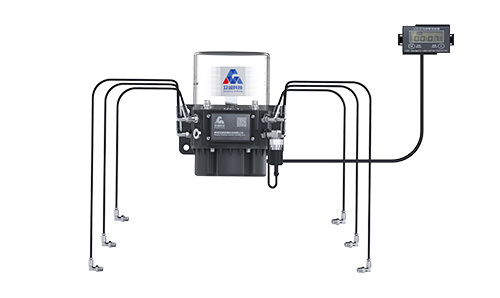
A multi-line plunger lubrication system typically consists of a central pump unit connected to several lubrication points through a series of lines. The pump operates by delivering a precise amount of lubricant at regular intervals, which can be adjusted based on the operational requirements of the machinery. This proactive approach to lubrication is crucial in environments where machinery operates under heavy loads, high speeds, or extreme temperatures—conditions commonly found in power generation equipment.
One of the primary advantages of a multi-line plunger lubrication system lies in its ability to provide consistent and reliable lubrication. Unlike manual lubrication methods, which can be inconsistent and often missed, this automated system ensures that every lubrication point receives the appropriate amount of lubricant as scheduled. This consistency helps in significantly reducing friction and heat generation, which are common culprits in premature equipment failure. Moreover, the even distribution of lubricant can enhance the overall efficiency of the machinery, leading to improved performance and energy savings.
Another key aspect to consider is the ease of maintenance associated with multi-line plunger lubrication systems. Since the system is designed for automation, it often includes features such as pressure monitoring and flow indicators, allowing operators to quickly identify any issues in the lubrication process. Regular maintenance checks can be simplified, ensuring that any potential problems are addressed before they lead to costly repairs or downtime.
However, it is essential for professionals in the field to understand that while multi-line plunger lubrication systems offer numerous advantages, they also require proper installation and regular monitoring. Factors such as the type of lubricant used, environmental conditions, and the specific machinery applications must be carefully considered to ensure optimal performance.
In conclusion, the multi-line plunger lubrication system serves as a robust solution for maintaining the integrity of power generation equipment. By ensuring consistent lubrication, reducing wear, and allowing for easier maintenance, this system plays a crucial role in enhancing the operational efficiency and reliability of electrical and power generation machinery. For industry professionals, understanding and implementing this technology can lead to significant improvements in equipment management and performance.
A multi-line plunger lubrication system typically consists of a central pump unit connected to several lubrication points through a series of lines. The pump operates by delivering a precise amount of lubricant at regular intervals, which can be adjusted based on the operational requirements of the machinery. This proactive approach to lubrication is crucial in environments where machinery operates under heavy loads, high speeds, or extreme temperatures—conditions commonly found in power generation equipment.
One of the primary advantages of a multi-line plunger lubrication system lies in its ability to provide consistent and reliable lubrication. Unlike manual lubrication methods, which can be inconsistent and often missed, this automated system ensures that every lubrication point receives the appropriate amount of lubricant as scheduled. This consistency helps in significantly reducing friction and heat generation, which are common culprits in premature equipment failure. Moreover, the even distribution of lubricant can enhance the overall efficiency of the machinery, leading to improved performance and energy savings.
Another key aspect to consider is the ease of maintenance associated with multi-line plunger lubrication systems. Since the system is designed for automation, it often includes features such as pressure monitoring and flow indicators, allowing operators to quickly identify any issues in the lubrication process. Regular maintenance checks can be simplified, ensuring that any potential problems are addressed before they lead to costly repairs or downtime.
However, it is essential for professionals in the field to understand that while multi-line plunger lubrication systems offer numerous advantages, they also require proper installation and regular monitoring. Factors such as the type of lubricant used, environmental conditions, and the specific machinery applications must be carefully considered to ensure optimal performance.
In conclusion, the multi-line plunger lubrication system serves as a robust solution for maintaining the integrity of power generation equipment. By ensuring consistent lubrication, reducing wear, and allowing for easier maintenance, this system plays a crucial role in enhancing the operational efficiency and reliability of electrical and power generation machinery. For industry professionals, understanding and implementing this technology can lead to significant improvements in equipment management and performance.
Previous



Phone/WhatsApp:
Email:
About Us
Zhengzhou Zhongcheng Lubrication Technology Co., Ltd. is a high-tech enterprise incubated by YUTONG. It mainly focuses on centralized lubrication systems, precision filtration systems and hydraulic systems as its main business!
HUATAO GROUP


