



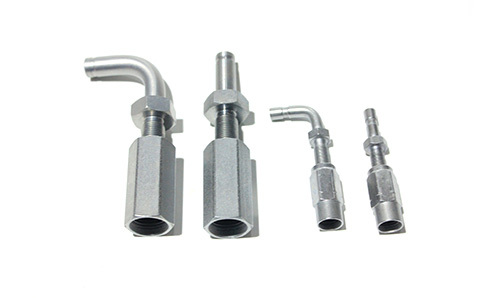
Metal Wear Particle Sensors: Essential Tools for Engineers in Electrical and Power Generation
Metal Wear Particle Sensors: Essential Tools for Engineers
Table of Contents
Introduction to Metal Wear Particle Sensors
The Importance of Metal Wear Particle Sensors in Engineering
How Metal Wear Particle Sensors Work
Types of Metal Wear Particle Sensors
Applications of Metal Wear Particle Sensors in Various Industries
Benefits of Utilizing Metal Wear Particle Sensors
Metal Wear Particle Sensors: Essential Tools for Engineers
Table of Contents
- Introduction to Metal Wear Particle Sensors
- The Importance of Metal Wear Particle Sensors in Engineering
- How Metal Wear Particle Sensors Work
- Types of Metal Wear Particle Sensors
- Applications of Metal Wear Particle Sensors in Various Industries
- Benefits of Utilizing Metal Wear Particle Sensors
- Best Practices for Implementing Metal Wear Particle Sensors
- The Future of Metal Wear Particle Sensors
- Frequently Asked Questions
- Conclusion
Introduction to Metal Wear Particle Sensors
In the world of engineering, especially within the electrical and power generation sectors, the significance of **metal wear particle sensors** cannot be overstated. These advanced tools are designed to detect minute particles generated from wear and tear in machinery, providing engineers with critical data to enhance maintenance strategies and operational efficiency. By identifying potential issues before they escalate into catastrophic failures, metal wear particle sensors play a pivotal role in sustainable engineering practices.
The Importance of Metal Wear Particle Sensors in Engineering
Metal wear particle sensors are essential for several reasons:
- **Predictive Maintenance**: By monitoring wear debris in lubricants, these sensors enable predictive maintenance, reducing unexpected downtime and maintenance costs.
- **Safety and Reliability**: In sectors such as power generation, equipment failure can lead to significant safety hazards. These sensors help ensure operational reliability.
- **Performance Optimization**: Continuous monitoring can help optimize the performance of machinery, leading to improved efficiency and extended equipment lifespan.
How Metal Wear Particle Sensors Work
Metal wear particle sensors operate on various principles, primarily focusing on the detection of ferrous and non-ferrous particles in lubricating oil or other fluids. Here’s how they generally function:
1. **Detection Mechanisms**: Most sensors utilize either optical or magnetic principles to identify particles. Optical sensors detect changes in light transmission when particles are present, while magnetic sensors utilize magnetic fields to capture ferrous particles.
2. **Data Acquisition**: As particles are detected, the sensor collects and transmits data to a central monitoring system. This data can include the size, quantity, and composition of the particles.
3. **Analysis and Reporting**: Advanced systems employ algorithms to analyze the data, providing engineers with actionable insights regarding equipment condition and wear trends.
Types of Metal Wear Particle Sensors
There are various types of metal wear particle sensors, each designed to fit specific applications and environments:
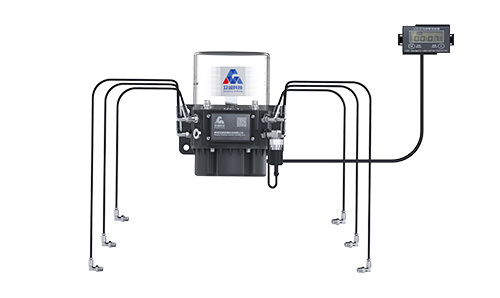
- **In-line Sensors**: Installed directly in lubrication systems, these sensors provide real-time monitoring of particle content.
- **Portable Sensors**: Ideal for field testing, portable sensors allow for quick assessments of equipment condition.
- **Continuous Monitoring Systems**: These systems integrate multiple sensors to provide a comprehensive overview of all machinery within a facility.
Applications of Metal Wear Particle Sensors in Various Industries
Metal wear particle sensors find applications across numerous industries:
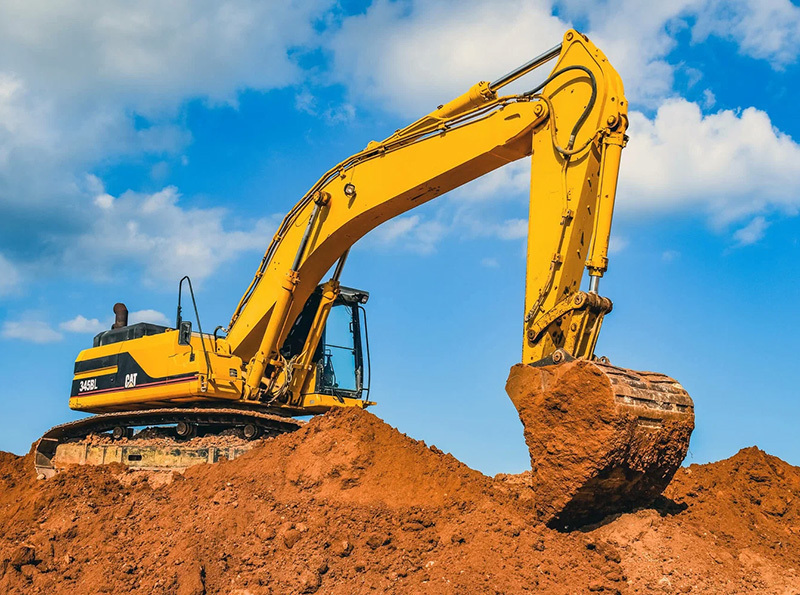
- **Power Generation**: In power plants, these sensors are crucial for monitoring turbines and generators, ensuring long-term operational reliability.
- **Transportation**: In automotive and aviation industries, sensors help monitor engine wear, improving safety and performance.
- **Manufacturing**: Machine tools and production equipment benefit from regular monitoring of lubrication systems, preventing costly breakdowns.
- **Marine Engineering**: Ensuring the safe operation of vessels, sensors monitor wear in engines and propellers, enhancing safety at sea.
Benefits of Utilizing Metal Wear Particle Sensors
The adoption of metal wear particle sensors provides numerous advantages:
- **Cost Savings**: Early detection of wear can significantly reduce repair and replacement costs.
- **Increased Equipment Life**: Regular monitoring leads to proactive maintenance, extending the lifespan of machinery.
- **Enhanced Safety**: Reduced risk of equipment failure translates to a safer working environment.
- **Improved Operational Efficiency**: With optimized performance, facilities can achieve higher productivity levels.
Best Practices for Implementing Metal Wear Particle Sensors
To maximize the benefits of metal wear particle sensors, consider the following best practices:
1. **Choose the Right Sensor**: Select a sensor that matches the specific requirements of your equipment and operating environment.
2. **Regular Calibration**: Ensure sensors are calibrated regularly to maintain accuracy and reliability.
3. **Integrate with Maintenance Systems**: Connect sensors with your facility’s maintenance management system for seamless data analysis and reporting.
4. **Train Personnel**: Provide training for staff to understand how to interpret sensor data and act on it effectively.
The Future of Metal Wear Particle Sensors
The future of metal wear particle sensors looks promising. As technology advances, we can anticipate more sophisticated sensors equipped with enhanced data analysis capabilities. Integration with IoT (Internet of Things) technologies will enable real-time monitoring and predictive analytics, further revolutionizing how engineers manage equipment health.
Frequently Asked Questions
1. What are metal wear particle sensors?
Metal wear particle sensors are devices designed to detect and analyze wear debris in lubricants, helping engineers monitor machinery health.
2. How do metal wear particle sensors improve maintenance?
These sensors provide early warning of potential failures, allowing for predictive maintenance strategies that can reduce downtime and costs.
3. Where can I use metal wear particle sensors?
They are used in various industries, including power generation, automotive, manufacturing, and marine engineering.
4. What types of wear particles can these sensors detect?
Metal wear particle sensors can detect both ferrous and non-ferrous particles, providing a comprehensive overview of machinery wear.
5. How often should I calibrate my metal wear particle sensors?
Regular calibration is advised, typically every six months, or as recommended by the manufacturer, to ensure accurate readings.
Conclusion
Metal wear particle sensors are indispensable tools for engineers, especially in the electrical and power generation sectors. By providing critical insights into machinery health, these sensors enhance predictive maintenance strategies, optimize performance, and improve safety. As technology continues to evolve, the capabilities of these sensors will only expand, paving the way for smarter engineering practices. Adopting metal wear particle sensors not only ensures the longevity of equipment but also contributes to creating a more efficient and sustainable operational environment.
Previous


Phone/WhatsApp:
Email:
About Us
Zhengzhou Zhongcheng Lubrication Technology Co., Ltd. is a high-tech enterprise incubated by YUTONG. It mainly focuses on centralized lubrication systems, precision filtration systems and hydraulic systems as its main business!
HUATAO GROUP


