



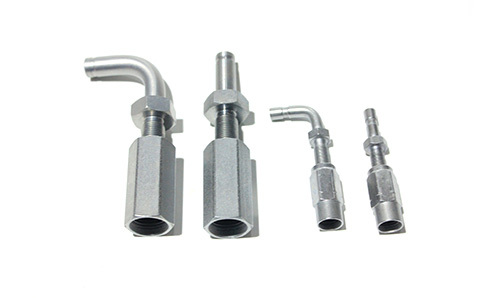
Understanding Metal Wear Particle Sensors: Enhancing Generator Performance and Reliability
Metal Wear Particle Sensors are critical tools in the monitoring and maintenance of generators and generator sets. These sensors are designed to detect and quantify metallic particles in lubricating oil, providing essential data on wear conditions within the machinery. In the electrical and power generation industry, understanding the significance of these sensors can lead to improved operational
Metal Wear Particle Sensors are critical tools in the monitoring and maintenance of generators and generator sets. These sensors are designed to detect and quantify metallic particles in lubricating oil, providing essential data on wear conditions within the machinery. In the electrical and power generation industry, understanding the significance of these sensors can lead to improved operational efficiency and reduced maintenance costs.
One of the primary functions of Metal Wear Particle Sensors is to identify the onset of wear in generator components. By analyzing the size and concentration of metal particles in the oil, these sensors can reveal potential issues before they escalate into serious problems. This predictive maintenance capability allows operators to take timely action, preventing costly downtimes and ensuring that the generator operates at peak performance.
The operation of Metal Wear Particle Sensors is based on advanced technologies such as electromagnetic or optical sensing. These sensors can be integrated into the lubrication systems of generators, providing real-time monitoring and alerts on wear conditions. The data collected by these sensors can be invaluable for maintenance teams, enabling them to track wear patterns over time and make informed decisions regarding maintenance schedules and operational adjustments.
In addition to enhancing maintenance strategies, Metal Wear Particle Sensors contribute to overall safety and reliability in power generation. By continuously monitoring wear levels, these sensors help to ensure that generators remain in optimal working condition. This not only reduces the risk of equipment failures but also enhances the safety of personnel operating in potentially hazardous environments.
Furthermore, the implementation of Metal Wear Particle Sensors aligns with the growing trend towards condition-based maintenance (CBM) in the power generation industry. CBM focuses on monitoring the actual condition of equipment rather than relying solely on predetermined maintenance schedules. This approach can lead to significant cost savings and increased equipment lifespan, making Metal Wear Particle Sensors an integral part of modern maintenance practices.
In summary, Metal Wear Particle Sensors are essential for maintaining the performance and reliability of generators and generator sets. By providing real-time insights into wear conditions, these sensors enable proactive maintenance, enhance safety, and optimize operational efficiency. As the power generation industry continues to evolve, the adoption of such advanced monitoring technologies will be crucial in meeting the demands of reliability and performance. Investing in Metal Wear Particle Sensors can be a strategic decision for any organization seeking to enhance its maintenance protocols and ensure the longevity of its equipment.
One of the primary functions of Metal Wear Particle Sensors is to identify the onset of wear in generator components. By analyzing the size and concentration of metal particles in the oil, these sensors can reveal potential issues before they escalate into serious problems. This predictive maintenance capability allows operators to take timely action, preventing costly downtimes and ensuring that the generator operates at peak performance.
The operation of Metal Wear Particle Sensors is based on advanced technologies such as electromagnetic or optical sensing. These sensors can be integrated into the lubrication systems of generators, providing real-time monitoring and alerts on wear conditions. The data collected by these sensors can be invaluable for maintenance teams, enabling them to track wear patterns over time and make informed decisions regarding maintenance schedules and operational adjustments.
In addition to enhancing maintenance strategies, Metal Wear Particle Sensors contribute to overall safety and reliability in power generation. By continuously monitoring wear levels, these sensors help to ensure that generators remain in optimal working condition. This not only reduces the risk of equipment failures but also enhances the safety of personnel operating in potentially hazardous environments.
Furthermore, the implementation of Metal Wear Particle Sensors aligns with the growing trend towards condition-based maintenance (CBM) in the power generation industry. CBM focuses on monitoring the actual condition of equipment rather than relying solely on predetermined maintenance schedules. This approach can lead to significant cost savings and increased equipment lifespan, making Metal Wear Particle Sensors an integral part of modern maintenance practices.
In summary, Metal Wear Particle Sensors are essential for maintaining the performance and reliability of generators and generator sets. By providing real-time insights into wear conditions, these sensors enable proactive maintenance, enhance safety, and optimize operational efficiency. As the power generation industry continues to evolve, the adoption of such advanced monitoring technologies will be crucial in meeting the demands of reliability and performance. Investing in Metal Wear Particle Sensors can be a strategic decision for any organization seeking to enhance its maintenance protocols and ensure the longevity of its equipment.


Phone/WhatsApp:
Email:
About Us
Zhengzhou Zhongcheng Lubrication Technology Co., Ltd. is a high-tech enterprise incubated by YUTONG. It mainly focuses on centralized lubrication systems, precision filtration systems and hydraulic systems as its main business!
HUATAO GROUP


