



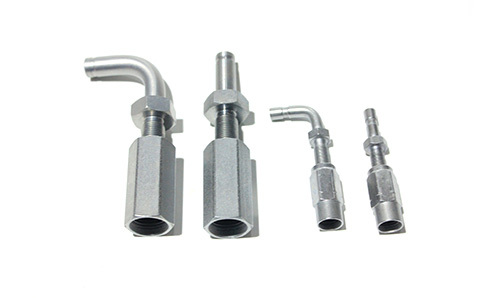
The Significance of Metal Wear Sensors in Electrical Power Systems: Enhancing Reliability and Efficiency
The Significance of Metal Wear Sensors in Electrical Power Systems
Table of Contents
1. Introduction to Metal Wear Sensors
2. Understanding Metal Wear Sensors
3. Importance of Metal Wear Sensors in Power Systems
4. How Metal Wear Sensors Work
5. Benefits of Using Metal Wear Sensors
6. Real-World Applications of Metal Wear Sensors
7. Challenges and Limitations
8. Fu
The Significance of Metal Wear Sensors in Electrical Power Systems
Table of Contents
- 1. Introduction to Metal Wear Sensors
- 2. Understanding Metal Wear Sensors
- 3. Importance of Metal Wear Sensors in Power Systems
- 4. How Metal Wear Sensors Work
- 5. Benefits of Using Metal Wear Sensors
- 6. Real-World Applications of Metal Wear Sensors
- 7. Challenges and Limitations
- 8. Future Trends in Metal Wear Sensor Technology
- 9. Conclusion
- 10. FAQs
1. Introduction to Metal Wear Sensors
In the rapidly evolving landscape of electrical power systems, ensuring optimal performance and reliability is paramount. **Metal wear sensors** have emerged as a pivotal technology that not only monitors the condition of machinery but also provides insights that lead to proactive maintenance strategies. These sensors play a significant role in the longevity of equipment, helping operators avoid costly downtimes and failures. In this article, we will delve deep into the significance of metal wear sensors in electrical power systems, understanding their functionality, benefits, and future potential.
2. Understanding Metal Wear Sensors
Metal wear sensors are specialized devices designed to detect wear and degradation in various machinery components. They work by measuring the wear debris generated during the operation of equipment. This debris can provide critical information about the health of machinery, allowing for timely interventions.
The Mechanism Behind Metal Wear Sensors
These sensors typically utilize various technologies, including **vibration analysis**, **ultrasonic measurements**, and **magnetometry**, to assess the condition of metal parts. The data collected can indicate wear rates, help identify potential failures, and provide a wealth of information that can guide maintenance practices.
3. Importance of Metal Wear Sensors in Power Systems
The role of metal wear sensors in electrical power systems cannot be overstated. These systems rely heavily on various types of generators, turbines, and engines, all of which are susceptible to wear and tear. The integration of wear sensors enhances the operational integrity of these systems in several ways:
Improved Efficiency and Reliability
By continuously monitoring the condition of machinery, wear sensors ensure that equipment operates at optimal levels. They provide early warnings of potential failures, allowing for timely maintenance, thereby minimizing unplanned downtimes.
Cost Savings
Investing in metal wear sensors can lead to significant cost savings over time. By preventing catastrophic failures and extending the lifespan of equipment, organizations can reduce repair and replacement costs associated with equipment downtime.
Enhanced Safety
In power systems, safety is a primary concern. **Metal wear sensors** contribute to a safer working environment by identifying potential hazards before they escalate into dangerous situations. This proactive approach to maintenance ensures the safety of personnel and the surrounding community.
4. How Metal Wear Sensors Work
Metal wear sensors operate through a combination of data collection and analysis techniques. Here’s a closer look at how these sensors function:
Data Collection
Metal wear sensors collect data through various methods, depending on the technology employed. Common techniques include:
- **Vibration Analysis:** Measures the vibrations produced by machinery to identify irregularities that indicate wear.
- **Ultrasonic Measurement:** Uses high-frequency sound waves to detect changes in material structure.
- **Magnetometry:** Analyzes magnetic fields to detect wear debris.
Data Analysis
Once data is collected, it is analyzed using sophisticated algorithms. These algorithms assess the wear patterns and predict potential failures. By leveraging machine learning and artificial intelligence, wear sensors can provide predictive analytics, allowing for more informed decision-making.
5. Benefits of Using Metal Wear Sensors
Integrating metal wear sensors into electrical power systems offers numerous benefits that enhance operational efficiency and reliability:
Predictive Maintenance
One of the most significant advantages of metal wear sensors is their role in predictive maintenance. By continuously monitoring equipment, organizations can foresee potential issues and address them before they lead to failures. This proactive maintenance strategy results in reduced operational costs and increased uptime.
Real-time Monitoring
Metal wear sensors provide real-time insights into machinery health. This instantaneous feedback allows operators to make informed decisions, optimizing performance and identifying issues that require immediate attention.
Long-term Asset Management
Effective use of metal wear sensors contributes to long-term asset management. By understanding wear patterns and maintenance needs, organizations can plan for repairs and replacements, ensuring that assets are utilized to their fullest potential.
6. Real-World Applications of Metal Wear Sensors
The application of metal wear sensors spans across various sectors in electrical power systems.
Power Generation
In power generation facilities, metal wear sensors monitor turbines and generators, detecting wear that could compromise performance. This monitoring is crucial for ensuring consistent power delivery and system reliability.
Renewable Energy Systems
With the rise of renewable energy sources, such as wind and solar, metal wear sensors are becoming increasingly valuable. They help in monitoring the health of equipment used in these systems, ensuring efficient energy production.
Industrial Applications
In industrial settings, metal wear sensors are used to oversee the condition of machinery, including pumps, compressors, and motors. Their ability to predict maintenance needs enhances operational efficiency and reduces downtime.
7. Challenges and Limitations
While the benefits of metal wear sensors are substantial, there are challenges and limitations to consider:
Initial Investment Costs
The upfront costs associated with installing wear sensors can be significant. Organizations must weigh these costs against long-term savings from reduced downtime and maintenance.
Data Overload
With the vast amounts of data generated by wear sensors, organizations may face challenges in data management and analysis. It is crucial to have robust systems in place to interpret this data effectively.
8. Future Trends in Metal Wear Sensor Technology
The future of metal wear sensors is promising, with several trends expected to shape their development:
Integration with IoT
The integration of metal wear sensors with **Internet of Things (IoT)** technology will enable more sophisticated monitoring and control systems. This will enhance real-time data collection and analysis capabilities.
Advancements in Machine Learning
As machine learning algorithms improve, the predictive capabilities of metal wear sensors will become even more robust. This will allow for more accurate assessments of equipment health and maintenance needs.
9. Conclusion
Metal wear sensors are becoming increasingly essential in electrical power systems, providing invaluable insights that lead to improved efficiency, reliability, and safety. By understanding the significance of these sensors, organizations can leverage their capabilities to enhance operational performance and minimize costs. As technology advances, the role of metal wear sensors will only grow, making them a critical component of modern power systems.
10. FAQs
What are metal wear sensors?
Metal wear sensors are devices that monitor the condition of machinery by detecting wear and degradation in components.
How do metal wear sensors improve equipment reliability?
They provide real-time monitoring and predictive maintenance insights, allowing operators to address potential issues before they lead to failures.
What industries benefit from metal wear sensors?
Industries such as power generation, renewable energy, and manufacturing utilize metal wear sensors to enhance equipment performance and longevity.
Are there any limitations to using metal wear sensors?
Yes, challenges such as initial investment costs and data management can impact the effectiveness of metal wear sensors.
What is the future of metal wear sensor technology?
Future trends include integration with IoT technology and advancements in machine learning, enhancing predictive capabilities and overall effectiveness.


Phone/WhatsApp:
Email:
About Us
Zhengzhou Zhongcheng Lubrication Technology Co., Ltd. is a high-tech enterprise incubated by YUTONG. It mainly focuses on centralized lubrication systems, precision filtration systems and hydraulic systems as its main business!
HUATAO GROUP


