


Integrating Multi-Line Plunger Lubrication Systems into Existing Power Systems: A Comprehensive Guide
Integrating Multi-Line Plunger Lubrication Systems into Existing Power Systems
Introduction to Multi-Line Plunger Lubrication Systems
In the realm of power systems, maintaining optimal performance and longevity of equipment is crucial. One effective way to achieve this is through the integration of **multi-line plunger lubrication systems**. These systems provide a consistent and reliable method o
Integrating Multi-Line Plunger Lubrication Systems into Existing Power Systems
Introduction to Multi-Line Plunger Lubrication Systems
In the realm of power systems, maintaining optimal performance and longevity of equipment is crucial. One effective way to achieve this is through the integration of **multi-line plunger lubrication systems**. These systems provide a consistent and reliable method of delivering lubricant to various machine components, ensuring they operate smoothly without excessive wear.
Understanding Multi-Line Plunger Lubrication Systems
Multi-line plunger lubrication systems are designed to supply lubricant to multiple points within machinery simultaneously. This method is particularly advantageous for complex power systems that require meticulous lubrication to function correctly.
How Multi-Line Plunger Lubrication Systems Work
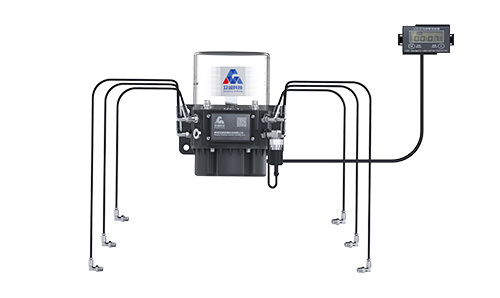
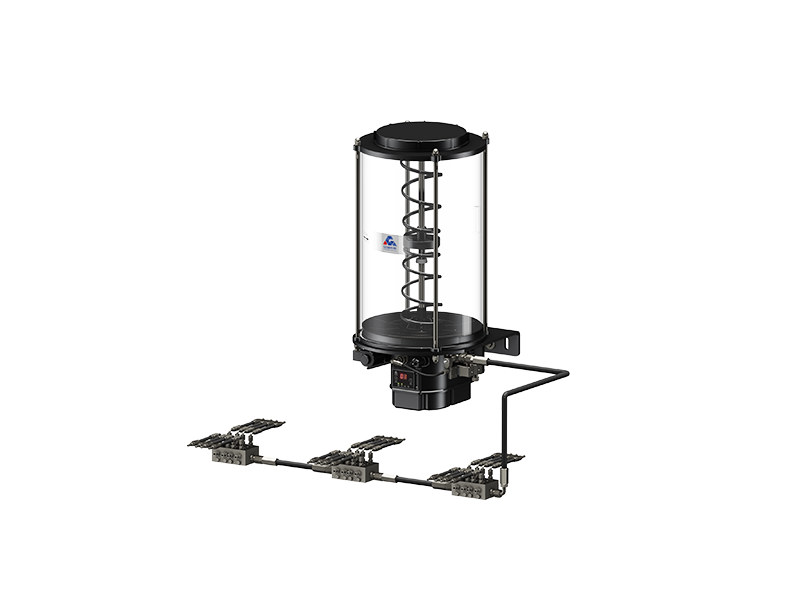
At its core, a multi-line plunger lubrication system consists of a pump that delivers lubricant through a network of lines to various lubrication points. The system operates based on a simple yet effective mechanism:
- **Pump Activation**: The pump is activated, drawing lubricant from a reservoir.
- **Pressure Regulation**: Once the lubricant is pressurized, it is directed through the lines.
- **Distribution**: The lubricant is distributed to specific points, ensuring even coverage and consistent lubrication.
Key Components of Multi-Line Plunger Lubrication Systems
Understanding the components of a multi-line plunger lubrication system is essential for effective integration:
- **Lubrication Pump**: The heart of the system, responsible for pressurizing and distributing the lubricant.
- **Distribution Lines**: Tubes that carry the lubricant from the pump to the lubrication points.
- **Lubrication Points**: Locations within the power system where lubrication is critical.
- **Pressure Switches and Sensors**: Devices that monitor system performance, ensuring adequate lubrication is maintained.
Benefits of Integrating Multi-Line Plunger Lubrication Systems
Integrating these systems into existing power setups offers several advantages:
Improved Equipment Reliability
With consistent lubrication, machinery experiences less wear and tear, leading to improved reliability and reduced downtime.
Enhanced Performance
Machines operating under optimal lubrication conditions perform better, resulting in increased efficiency.
Cost Savings
While the initial investment may be significant, the long-term savings in maintenance costs and equipment replacements can be substantial.
Environmental Benefits
Efficient lubrication reduces waste and spills, contributing to a more environmentally friendly operation.
Step-by-Step Guide to Integration
Integrating a multi-line plunger lubrication system into your existing power system may seem daunting, but with a clear plan, it can be executed successfully.
Step 1: Assess Your Current System
Conduct a thorough assessment of your existing power systems to identify lubrication needs, potential points for integration, and compatibility with the new system.
Step 2: Select the Right System
Choose a multi-line plunger lubrication system that meets the specific requirements of your power system in terms of capacity, pressure, and compatibility.
Step 3: Plan the Installation
Develop a detailed installation plan, including the layout of distribution lines and the placement of the lubrication pump.
Step 4: Install the System
With the help of skilled technicians, install the lubrication system according to the established plan. Ensure all connections are secure and that the system is calibrated correctly.
Step 5: Testing and Calibration
After installation, rigorously test the system to ensure proper functionality. Calibrate the pump and sensors for optimal performance.
Maintenance Practices for Multi-Line Plunger Lubrication Systems
Proper maintenance is key to ensuring the longevity and efficiency of your lubrication system.
Regular Inspections
Conduct regular inspections of the lubrication system to identify any leaks, clogs, or wear on components.
Lubricant Quality Checks
Quality of lubricant is critical. Regularly check for contamination and replace the lubricant as necessary to ensure optimal performance.
System Calibration
Periodically recalibrate the pump and pressure switches to maintain accuracy and ensure consistent lubrication.
Training Staff
Ensure that staff responsible for machinery operations are trained in the importance of lubrication and how to monitor system performance.
Common Challenges and Solutions
While integrating a multi-line plunger lubrication system can significantly improve operations, certain challenges may arise.
Challenge 1: Incompatibility with Existing Equipment
**Solution**: Conduct thorough compatibility assessments before integration. Choose systems with adjustable features that can adapt to existing machinery.
Challenge 2: Installation Complexity
**Solution**: Engage experienced professionals for installation. Detailed planning and clear communication can also mitigate installation challenges.
Challenge 3: Maintaining the Right Lubrication Pressure
**Solution**: Regularly calibrate pressure sensors and ensure that the pump is functioning effectively to maintain the correct pressure.
FAQs about Multi-Line Plunger Lubrication Systems
1. What types of lubricants can be used in these systems?
Most multi-line plunger lubrication systems can accommodate a variety of lubricants, including oils and greases, depending on the manufacturer's specifications.
2. How often should I perform maintenance on the lubrication system?
Regular maintenance should be performed every three to six months, or more frequently based on operational intensity and environmental conditions.
3. Can I integrate a multi-line plunger lubrication system into any power system?
While many systems are compatible, it's essential to assess your specific equipment and lubrication requirements before integration.
4. What are the signs that my lubrication system needs maintenance?
Signs include abnormal noises from machinery, reduced performance, or warning lights indicating low lubricant levels.
5. How can I ensure that the lubrication system is effective?
Implement regular inspections, monitor lubricant levels, and ensure consistent calibration of the system for optimal performance.
Conclusion
Integrating **multi-line plunger lubrication systems** into existing power systems is a highly effective strategy for enhancing operational efficiency and equipment longevity. By understanding the components, benefits, and maintenance practices related to these systems, organizations can significantly reduce downtime and operational costs. Through careful planning and execution, the integration process can be seamless, ultimately leading to a more reliable and efficient power system. Investing in such lubrication systems is not merely an upgrade; it is a strategic move towards a sustainable and productive future.
Previous


Phone/WhatsApp:
Email:
About Us
Zhengzhou Zhongcheng Lubrication Technology Co., Ltd. is a high-tech enterprise incubated by YUTONG. It mainly focuses on centralized lubrication systems, precision filtration systems and hydraulic systems as its main business!
HUATAO GROUP


