



Innovative Solutions: Progressive Lubrication Systems in Power Generation Equipment
Innovative Solutions: Progressive Lubrication Systems in Power Generation Equipment
Table of Contents
1. Introduction to Progressive Lubrication Systems
2. The Importance of Lubrication Systems in Power Generation
3. Understanding Progressive Lubrication Systems
4. Advantages of Progressive Lubrication Systems
5. Types of Progressive Lubrication Systems
6. Implementation G
Innovative Solutions: Progressive Lubrication Systems in Power Generation Equipment
Table of Contents
- 1. Introduction to Progressive Lubrication Systems
- 2. The Importance of Lubrication Systems in Power Generation
- 3. Understanding Progressive Lubrication Systems
- 4. Advantages of Progressive Lubrication Systems
- 5. Types of Progressive Lubrication Systems
- 6. Implementation Guide for Progressive Lubrication Systems
- 7. Case Studies: Success Stories in Power Generation
- 8. Future Trends in Lubrication Technology
- 9. FAQs about Progressive Lubrication Systems
- 10. Conclusion
1. Introduction to Progressive Lubrication Systems
In the realm of power generation, maintaining the efficiency and longevity of equipment is of utmost importance. **Progressive lubrication systems** have emerged as a groundbreaking solution, providing reliable lubrication to various machinery components. These systems ensure that power generation equipment operates smoothly, reducing wear and tear, and ultimately enhancing productivity. In this article, we will delve into the mechanics of progressive lubrication systems, their advantages, types, and how they can be effectively implemented in power generation environments.
2. The Importance of Lubrication Systems in Power Generation
Lubrication plays a critical role in the operational efficiency of power generation equipment. The main purposes of lubrication include:
Reducing Friction
Friction between moving parts can lead to significant energy losses and damage over time. Proper lubrication minimizes this friction, allowing equipment to run more smoothly and efficiently.
Cooling Components
Lubricants help to dissipate heat generated by machinery, preventing overheating and potential failure. Effective lubrication ensures that components remain within optimal temperature ranges.
Protecting Against Corrosion
Lubrication systems create a barrier that protects metal surfaces from exposure to moisture and contaminants, which can lead to rust and corrosion. This protection is vital for the longevity of power generation equipment.
Extending Equipment Lifespan
By minimizing wear and tear, lubrication systems can significantly extend the life of power generation equipment, reducing the frequency and cost of maintenance and replacements.
3. Understanding Progressive Lubrication Systems
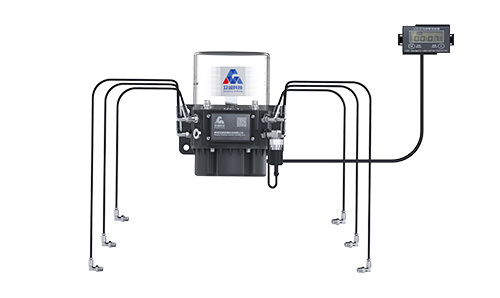
**Progressive lubrication systems** operate through a series of interconnected components that distribute lubricant accurately and evenly to various machine parts. These systems typically consist of a pump, control unit, and multiple lubrication points, allowing for precise adjustments according to the specific needs of the machinery.
How Progressive Systems Work
In a progressive lubrication system, a pump delivers lubricant to a distribution block. This block is equipped with a series of outlets that direct the lubricant to different lubrication points. As the system operates, the pump maintains a steady flow of lubricant, ensuring that all parts receive adequate lubrication, regardless of the operational conditions.
Components of Progressive Lubrication Systems
- **Pump**: The heart of the system, responsible for delivering lubricant to the distribution points.
- **Distribution Block**: Controls the flow of lubricant to various machine parts and ensures even distribution.
- **Lubrication Points**: Specific areas where lubricant is applied, such as bearings, gears, and other moving parts.
- **Control Unit**: Monitors the system's operation and adjusts lubricant flow based on parameters such as temperature and load.
4. Advantages of Progressive Lubrication Systems
The implementation of progressive lubrication systems in power generation equipment offers numerous benefits:
Improved Efficiency
By ensuring that all components receive consistent lubrication, progressive systems enhance overall machinery efficiency. This translates into better fuel economy and increased output.
Reduced Maintenance Costs
With precise lubrication, the need for frequent maintenance and repairs is significantly diminished. This results in lower operational costs and less downtime.
Enhanced Reliability
Progressive lubrication systems are designed to operate continuously, providing reliable lubrication even in demanding environments. This reliability is crucial for power generation systems that must function without interruption.
Environmentally Friendly
These systems are often designed to minimize waste and reduce the environmental impact of lubricant disposal. Moreover, many progressive systems use biodegradable lubricants, further enhancing their eco-friendliness.
5. Types of Progressive Lubrication Systems
Progressive lubrication systems can be categorized into several types, each suited for specific applications within the power generation sector:
Single-Line Progressive Systems
This type consists of a single lubrication line that leads to multiple lubrication points. It is commonly used in smaller machines and equipment.
Multi-Line Progressive Systems
Multi-line systems employ multiple lubrication lines and are ideal for larger machines with numerous lubrication points. They offer precise control over lubricant distribution, accommodating complex machinery layouts.
Modular Progressive Systems
These systems are designed with flexibility in mind. They can be expanded or modified based on the evolving needs of the power generation facility.
6. Implementation Guide for Progressive Lubrication Systems
Implementing a progressive lubrication system involves several key steps to ensure optimal performance and reliability:
Assessing Needs and Specifications
Before installation, it is crucial to evaluate the specific lubrication requirements of the equipment. This involves understanding the operational environment, load conditions, and type of lubricant to be used.
Selecting the Right System
Choose a progressive lubrication system that aligns with the assessed needs. Factors such as the size of the machinery, number of lubrication points, and maintenance accessibility should be considered.
Installation Process
Professional installation is advisable to ensure that the system is set up correctly. This includes properly aligning the pump, distribution block, and lubrication points.
Regular Monitoring and Maintenance
Once installed, continuous monitoring is essential for ensuring the system operates effectively. Regular maintenance checks should include inspecting the pump, ensuring proper lubricant levels, and checking for leaks or blockages.
7. Case Studies: Success Stories in Power Generation
Examining real-world implementations of progressive lubrication systems provides insights into their effectiveness:
Case Study 1: Large-Scale Power Plant
In a recent overhaul of a large-scale power plant, the installation of a multi-line progressive lubrication system resulted in a 30% reduction in maintenance costs and a 20% increase in equipment lifespan. The facility reported enhanced operational efficiency, leading to increased energy output.
Case Study 2: Renewable Energy Facility
A renewable energy facility transitioned to a modular progressive lubrication system and experienced significant improvements in reliability. The facility reported a notable decrease in lubricant waste and environmental impact, aligning with its sustainability goals.
8. Future Trends in Lubrication Technology
The landscape of lubrication technology is evolving, and several trends are shaping its future:
Integration of IoT and Smart Technologies
The incorporation of Internet of Things (IoT) technology is enabling real-time monitoring and adjustments of lubrication systems. This evolution allows for predictive maintenance, reducing unforeseen downtime.
Biodegradable Lubricants
As environmental concerns grow, the demand for biodegradable lubricants is on the rise. These lubricants provide effective protection while minimizing ecological impact.
Enhanced Automation
Automation in lubrication systems is expanding, allowing for more sophisticated control over lubricant distribution and usage, ultimately leading to even greater efficiency and reduced costs.
9. FAQs about Progressive Lubrication Systems
What is a progressive lubrication system?
A progressive lubrication system is a mechanism designed to distribute lubricant evenly to multiple points in machinery, enhancing efficiency and prolonging equipment life.
What are the main components of a progressive lubrication system?
The core components include a pump, distribution block, lubrication points, and a control unit.
How does a progressive lubrication system improve equipment reliability?
By providing consistent lubrication, these systems minimize wear and tear, reducing the likelihood of equipment failure and downtime.
What types of machines benefit from progressive lubrication systems?
Progressive lubrication systems are ideal for various machinery types, including generators, turbines, and any equipment with moving parts requiring regular lubrication.
How can I determine if my machinery needs a progressive lubrication system?
Assess your machinery's lubrication requirements, including the number of lubrication points and operational conditions. Consulting with a lubrication expert can also provide guidance on the best solution for your needs.
10. Conclusion
**Progressive lubrication systems** present an innovative solution for enhancing the performance and reliability of power generation equipment. With their ability to reduce maintenance costs, improve efficiency, and extend equipment lifespan, these systems are invaluable in today’s energy industry. As technology continues to advance, the integration of smart solutions and eco-friendly practices will further enhance the capabilities of lubrication systems. Embracing these innovative solutions is essential for any power generation facility aiming to thrive in an increasingly competitive market.
Previous



Phone/WhatsApp:
Email:
About Us
Zhengzhou Zhongcheng Lubrication Technology Co., Ltd. is a high-tech enterprise incubated by YUTONG. It mainly focuses on centralized lubrication systems, precision filtration systems and hydraulic systems as its main business!
HUATAO GROUP


