



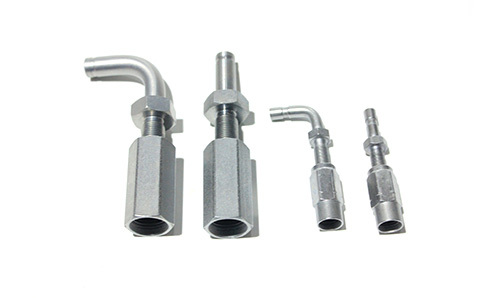
Innovative Uses of Stirring Rods in High Pressure Pump Applications: Revolutionizing Efficiency and Performance
Innovative Uses of Stirring Rods in High Pressure Pump Applications
Table of Contents
1. Introduction to Stirring Rods and High Pressure Pumps
2. Understanding Stirring Rods: Design and Function
3. High Pressure Pumps: An Overview
4. Benefits of Using Stirring Rods in High Pressure Pumps
5. Unique Applications of Stirring Rods in High Pressure Pump Systems
6. Material Selection for St
Innovative Uses of Stirring Rods in High Pressure Pump Applications
Table of Contents
- 1. Introduction to Stirring Rods and High Pressure Pumps
- 2. Understanding Stirring Rods: Design and Function
- 3. High Pressure Pumps: An Overview
- 4. Benefits of Using Stirring Rods in High Pressure Pumps
- 5. Unique Applications of Stirring Rods in High Pressure Pump Systems
- 6. Material Selection for Stirring Rods
- 7. Maintenance Tips for Stirring Rods in High Pressure Applications
- 8. Future Trends in Stirring Rod Technology
- 9. Conclusion
- 10. FAQs on Stirring Rods in High Pressure Pump Applications
1. Introduction to Stirring Rods and High Pressure Pumps
In the realm of industrial applications, **stirring rods** stand as a pivotal component in enhancing the functionality of **high-pressure pumps**. These rods are engineered to optimize fluid dynamics, ensuring that fluids are properly mixed and delivered at the desired pressure. This article delves into the innovative uses of stirring rods within high-pressure pump applications, revealing the transformative impact they have on efficiency and operational performance.
2. Understanding Stirring Rods: Design and Function
Stirring rods are specialized tools designed to facilitate the mixing of fluids in various applications. Their design usually includes a long, slender body with a variety of tips or blades that create turbulence in the fluid. This turbulence is essential for achieving a homogeneous mixture, which is crucial in high-pressure systems where uniformity in fluid properties can significantly affect performance.
### H3>2.1 Design Features of Stirring Rods
**Material Composition**: Stirring rods are typically made from durable materials that can withstand high pressure and resist corrosion. Common materials include stainless steel, alloy metals, and advanced polymers.
**Length and Diameter**: The size of the stirring rod can vary based on the specific application and the dimensions of the pump. Longer rods may be required for deeper tanks, while shorter rods may suffice for smaller units.
**Blade Design**: The design of the blades at the tip of the stirring rod can vary greatly, with some being flat while others are more aerodynamically shaped. This design choice affects the rod's effectiveness in creating fluid movement.
3. High Pressure Pumps: An Overview
High-pressure pumps are crucial for various industrial processes, including chemical manufacturing, oil and gas extraction, and water treatment. These pumps operate at elevated pressure levels to transport fluids efficiently over long distances, making them invaluable in sectors where fluid dynamics play a critical role.
### H3>3.1 Types of High Pressure Pumps
High-pressure pumps come in various types, including:
**Centrifugal Pumps**: These pumps use rotational energy to move fluids and are commonly used in applications requiring high flow rates.
**Positive Displacement Pumps**: Offering consistent flow regardless of pressure variations, these are ideal for applications requiring accurate fluid delivery.
**Diaphragm Pumps**: Utilizing a flexible diaphragm, these pumps can handle abrasive and viscous fluids, making them suitable for specialized applications.
4. Benefits of Using Stirring Rods in High Pressure Pumps
Integrating stirring rods into high-pressure pump systems offers numerous advantages:
### H3>4.1 Improved Fluid Homogeneity
Stirring rods promote better mixing of fluids, ensuring consistency in properties such as viscosity, density, and concentration. This is particularly important in chemical processes where uniformity can affect reactions.
### H3>4.2 Enhanced Pump Efficiency
By ensuring that fluids are well-mixed before entering the pump, stirring rods can reduce cavitation and wear on pump components, leading to longer operational lifespan and reduced maintenance costs.
### H3>4.3 Reduced Sediment Build-Up
Stirring rods help keep sediments in suspension, preventing blockages in the pump and maintaining optimal flow rates. This is particularly critical in applications involving slurries or fluids with particulate matter.
### H3>4.4 Consistent Pressure Output
With improved fluid dynamics facilitated by stirring rods, high-pressure pumps can maintain consistent pressure outputs, which is vital for many industrial processes.
5. Unique Applications of Stirring Rods in High Pressure Pump Systems
The versatility of stirring rods allows them to be utilized in various applications:
### H3>5.1 Chemical Processing
In chemical plants, stirring rods are employed to mix reactants efficiently under high pressure, ensuring optimal reaction conditions and product yield.
### H3>5.2 Oil and Gas Extraction
In oil extraction processes, stirring rods help maintain fluid flow consistency in high-pressure environments, facilitating smoother operations and enhancing resource recovery rates.
### H3>5.3 Wastewater Treatment
Stirring rods are also vital in wastewater treatment facilities, where they assist in the mixing of treatment chemicals with wastewater, ensuring effective purification and compliance with environmental standards.
### H3>5.4 Pharmaceutical Manufacturing
In the pharmaceutical industry, precision is key. Stirring rods are used to mix active ingredients and excipients in high-pressure settings, ensuring accurate dosing and product quality.
6. Material Selection for Stirring Rods
Choosing the right material for stirring rods is essential to ensure durability and efficiency in high-pressure applications.
### H3>6.1 Stainless Steel
This is the most common material used for stirring rods due to its excellent corrosion resistance and strength. It is suitable for a wide range of chemical applications.
### H3>6.2 Alloy Materials
For applications involving highly abrasive or corrosive substances, alloy materials may be preferred. These materials offer enhanced strength and resistance against wear.
### H3>6.3 Polymer Composites
In environments where lightweight materials are advantageous, polymer composites can be used. They offer good resistance to chemical attack while being easier to handle.
7. Maintenance Tips for Stirring Rods in High Pressure Applications
Proper maintenance of stirring rods is crucial to ensure their longevity and efficiency.
### H3>7.1 Regular Inspections
Routine inspections should be conducted to identify any signs of wear or damage. This proactive approach can prevent costly downtime.
### H3>7.2 Cleaning Procedures
Implementing effective cleaning procedures to remove accumulated residues and sediments is essential. This helps maintain the mixing efficiency and prevents contamination.
### H3>7.3 Lubrication
In cases where stirring rods have moving parts, lubrication can help reduce friction and wear, increasing the lifespan of the equipment.
8. Future Trends in Stirring Rod Technology
The future of stirring rod technology is poised for innovation, with trends pointing towards enhanced designs and materials.
### H3>8.1 Smart Materials
Developments in smart materials may lead to stirring rods that can adapt their properties based on the fluid conditions, optimizing performance dynamically.
### H3>8.2 Advanced Coatings
Research into advanced coatings can enhance the durability and efficiency of stirring rods, offering improved resistance to wear and corrosion.
### H3>8.3 Integration with Automation
As industries increasingly adopt automation, stirring rods may be integrated with smart sensors and control systems, enabling real-time monitoring and adjustments to enhance performance.
9. Conclusion
The innovative uses of stirring rods in high-pressure pump applications demonstrate their critical role in enhancing operational efficiency and fluid management. As industries continue to evolve, the integration of advanced materials and smart technologies will further elevate the importance of stirring rods. By understanding their myriad benefits and applications, businesses can leverage these tools to drive performance and achieve better outcomes in their operations.
10. FAQs on Stirring Rods in High Pressure Pump Applications
**Q1: What is the primary function of a stirring rod in a high-pressure pump?**
A1: The primary function of a stirring rod in a high-pressure pump is to promote the mixing of fluids, ensuring a homogeneous mixture that enhances pump efficiency and performance.
**Q2: How do stirring rods improve the lifespan of high-pressure pumps?**
A2: By ensuring uniform mixing and reducing sediment build-up, stirring rods help prevent cavitation and wear on pump components, thereby extending the lifespan of the pump.
**Q3: What are the best materials for stirring rods in corrosive environments?**
A3: Stainless steel and specialized alloys are recommended for corrosive environments due to their strength and resistance to chemical attack.
**Q4: Can stirring rods be used in both centrifugal and positive displacement pumps?**
A4: Yes, stirring rods can be effectively utilized in both centrifugal and positive displacement pumps to improve fluid mixing and flow rates.
**Q5: What maintenance practices are essential for stirring rods?**
A5: Regular inspections, effective cleaning procedures, and lubrication (if applicable) are vital maintenance practices to ensure the longevity and efficiency of stirring rods.



Phone/WhatsApp:
Email:
About Us
Zhengzhou Zhongcheng Lubrication Technology Co., Ltd. is a high-tech enterprise incubated by YUTONG. It mainly focuses on centralized lubrication systems, precision filtration systems and hydraulic systems as its main business!
HUATAO GROUP


