



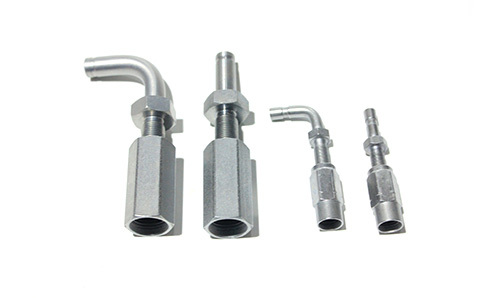
Understanding Metal Wear Particle Sensors: Enhancing Generator Performance and Reliability
Metal Wear Particle Sensors have emerged as a crucial technology in the field of power generation, especially within the electric and electrical industries. These sensors play a vital role in monitoring the condition of generators and generator sets by detecting metal wear particles in lubricating oils. This early detection can provide valuable insights into the health of equipment, aiding in prev
Metal Wear Particle Sensors have emerged as a crucial technology in the field of power generation, especially within the electric and electrical industries. These sensors play a vital role in monitoring the condition of generators and generator sets by detecting metal wear particles in lubricating oils. This early detection can provide valuable insights into the health of equipment, aiding in preventive maintenance and extending the lifespan of machinery.
The fundamental principle of a Metal Wear Particle Sensor is straightforward: it analyzes lubricating oil for the presence of metal particles, which are often indicative of wear in moving components such as bearings, gears, and pistons. By identifying these particles, operators can assess the extent of wear and take necessary actions before a minor issue escalates into a critical failure. This proactive approach not only enhances the reliability of generators but also minimizes unexpected downtime, leading to improved operational efficiency.
In the power generation sector, where equipment reliability is paramount, the use of Metal Wear Particle Sensors can lead to significant operational benefits. For instance, by continuously monitoring wear levels, organizations can optimize their maintenance schedules, transitioning from reactive to predictive maintenance strategies. This shift not only saves costs associated with emergency repairs but also ensures that generators operate at peak performance, thereby increasing energy output and efficiency.
Moreover, the data gathered from these sensors can be integrated into broader condition monitoring systems. This integration allows for a more comprehensive analysis of the generator's health, including insights into temperature fluctuations, vibration levels, and overall performance metrics. By utilizing advanced analytics, operators can identify trends and patterns that may indicate underlying issues, thus enabling timely interventions.
Additionally, Metal Wear Particle Sensors contribute to sustainability efforts in the power generation industry. By extending the life of equipment and reducing the frequency of replacements, organizations can minimize waste and conserve resources. This aligns with the global push towards more sustainable and environmentally friendly practices within the energy sector.
In conclusion, Metal Wear Particle Sensors are an essential tool for enhancing generator performance and reliability in the power generation industry. Their ability to detect wear particles early enables organizations to implement proactive maintenance strategies, optimize operational efficiency, and support sustainability initiatives. As the industry continues to evolve, integrating such advanced technologies will be crucial in ensuring the reliability and longevity of power generation equipment.
The fundamental principle of a Metal Wear Particle Sensor is straightforward: it analyzes lubricating oil for the presence of metal particles, which are often indicative of wear in moving components such as bearings, gears, and pistons. By identifying these particles, operators can assess the extent of wear and take necessary actions before a minor issue escalates into a critical failure. This proactive approach not only enhances the reliability of generators but also minimizes unexpected downtime, leading to improved operational efficiency.
In the power generation sector, where equipment reliability is paramount, the use of Metal Wear Particle Sensors can lead to significant operational benefits. For instance, by continuously monitoring wear levels, organizations can optimize their maintenance schedules, transitioning from reactive to predictive maintenance strategies. This shift not only saves costs associated with emergency repairs but also ensures that generators operate at peak performance, thereby increasing energy output and efficiency.
Moreover, the data gathered from these sensors can be integrated into broader condition monitoring systems. This integration allows for a more comprehensive analysis of the generator's health, including insights into temperature fluctuations, vibration levels, and overall performance metrics. By utilizing advanced analytics, operators can identify trends and patterns that may indicate underlying issues, thus enabling timely interventions.
Additionally, Metal Wear Particle Sensors contribute to sustainability efforts in the power generation industry. By extending the life of equipment and reducing the frequency of replacements, organizations can minimize waste and conserve resources. This aligns with the global push towards more sustainable and environmentally friendly practices within the energy sector.
In conclusion, Metal Wear Particle Sensors are an essential tool for enhancing generator performance and reliability in the power generation industry. Their ability to detect wear particles early enables organizations to implement proactive maintenance strategies, optimize operational efficiency, and support sustainability initiatives. As the industry continues to evolve, integrating such advanced technologies will be crucial in ensuring the reliability and longevity of power generation equipment.
Previous


Phone/WhatsApp:
Email:
About Us
Zhengzhou Zhongcheng Lubrication Technology Co., Ltd. is a high-tech enterprise incubated by YUTONG. It mainly focuses on centralized lubrication systems, precision filtration systems and hydraulic systems as its main business!
HUATAO GROUP


