




Common Mistakes to Avoid When Lubricating the Pinion of Generators
Common Mistakes to Avoid When Lubricating the Pinion of Generators
Table of Contents
1. The Importance of Lubrication in Generators
2. Understanding the Pinion Mechanism
3. Common Mistakes in Pinion Lubrication
a. Using the Wrong Type of Lubricant
b. Neglecting the Lubrication Schedule
c. Using Inadequate Quantity of Lubri
Common Mistakes to Avoid When Lubricating the Pinion of Generators
Table of Contents
- 1. The Importance of Lubrication in Generators
- 2. Understanding the Pinion Mechanism
- 3. Common Mistakes in Pinion Lubrication
- a. Using the Wrong Type of Lubricant
- b. Neglecting the Lubrication Schedule
- c. Using Inadequate Quantity of Lubricant
- d. Ignoring Environmental Factors
- e. Failure to Clean Before Lubricating
- 4. Best Practices for Lubricating the Pinion
- 5. Tools and Equipment Needed for Effective Lubrication
- 6. Maintaining Generator Efficiency through Proper Lubrication
- 7. Conclusion
- 8. FAQs
1. The Importance of Lubrication in Generators
Lubrication plays a vital role in the performance and longevity of generators. Proper lubrication reduces friction between moving parts, allowing them to operate smoothly and efficiently. In generators, the pinion is a critical component that engages with the gear system, and its effective lubrication is essential for minimizing wear and tear. Neglecting this aspect can lead to mechanical failures and costly downtime, making it imperative to understand the best practices for pinion lubrication.
2. Understanding the Pinion Mechanism
The pinion is a small gear that meshes with a larger gear, transmitting power within the generator. Typically, it operates under high stress due to the constant rotation and interaction with other components. This pressure generates heat, and without proper lubrication, the parts can wear out quickly, leading to operational inefficiencies. Understanding how the pinion functions helps in identifying the right lubrication practices.
3. Common Mistakes in Pinion Lubrication
Despite the importance of proper lubrication, many individuals and technicians make critical mistakes that can jeopardize the performance of the generator. Below are some of the most common errors.
a. Using the Wrong Type of Lubricant
One of the most prevalent mistakes is using an unsuitable lubricant. Different materials and components require specific types of lubricants. Using the wrong lubricant can result in inadequate protection, leading to increased friction and premature wear. Always refer to the manufacturer's guidelines to select the appropriate lubricant that meets specifications for viscosity, base, and additives.
b. Neglecting the Lubrication Schedule
Every generator has a recommended lubrication schedule based on operating hours and environmental conditions. Failing to adhere to this schedule can result in the degradation of the lubricant and insufficient lubrication of the pinion. Regular checks and timely lubrication are essential to maintain optimal performance.
c. Using Inadequate Quantity of Lubricant
Another common mistake is using too little lubricant. While it might seem beneficial to use less to avoid over-lubrication, this can lead to insufficient coverage of the pinion. Always ensure that the lubricant is applied in the recommended quantity to create a protective film over the pinion surface, reducing wear and tear.
d. Ignoring Environmental Factors
Environmental conditions can significantly impact lubrication needs. Increased humidity, temperature fluctuations, and exposure to contaminants can affect the lubricant's performance. Failing to consider these factors can lead to premature degradation of the lubricant. Regularly assess the environment in which the generator operates and adjust lubrication practices accordingly.
e. Failure to Clean Before Lubricating
Before applying new lubricant, it is crucial to clean the pinion and surrounding areas thoroughly. Residual dirt and old lubricant can mix with the new application, leading to contamination and reduced effectiveness. Always clean the pinion and its components before re-lubrication to ensure optimal performance.
4. Best Practices for Lubricating the Pinion
To avoid the common mistakes mentioned above, implement these best practices for lubricating the pinion.
- **Follow Manufacturer Guidelines**: Always refer to the manufacturer’s specifications for lubricant type, quantity, and application methods.
- **Establish a Routine**: Create and adhere to a lubrication schedule based on the generator’s operating conditions and hours.
- **Regular Monitoring**: Conduct regular inspections to assess the condition of the lubricant and the pinion. Look for signs of wear, overheating, or contamination.
- **Use Quality Lubricants**: Invest in high-quality lubricants that meet industry standards to ensure maximum protection and performance.
- **Train Personnel**: Ensure that all personnel involved in maintenance are trained in proper lubrication practices to minimize errors and enhance operational efficiency.
5. Tools and Equipment Needed for Effective Lubrication
Having the right tools and equipment is essential for effective lubrication of the pinion in generators. The following tools should be part of your maintenance arsenal:
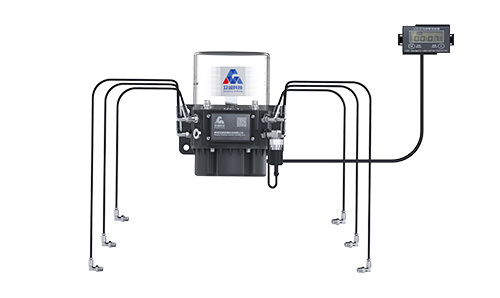
- **Lubrication Pump**: A pump designed for accurate application of lubricant to ensure the correct amount is applied.
- **Grease Gun**: For grease-based lubricants, a quality grease gun helps in delivering the right amount to hard-to-reach areas.
- **Oil Filtration System**: To ensure the lubricant remains clean and free from contaminants, invest in an oil filtration system.
- **Cleaning Supplies**: Use lint-free cloths, brushes, and appropriate solvents to clean the pinion and surrounding areas effectively.
- **Monitoring Instruments**: Temperature and pressure sensors can help monitor the health of the lubricant and the pinion during operation.
6. Maintaining Generator Efficiency through Proper Lubrication
Proper lubrication of the pinion extends beyond just maintenance; it is a crucial factor in maintaining overall generator efficiency. Well-lubricated components experience less friction, which translates to improved energy consumption and reduced operational costs. Consistent maintenance practices help in identifying potential issues before they escalate, ensuring the generator operates smoothly for longer periods.
Additionally, regular lubrication can help prevent equipment failures that result in costly repairs and downtime. By investing time and resources into proper lubrication, you ultimately enhance the reliability and lifespan of your generator.
7. Conclusion
Lubricating the pinion of generators is a critical task that, when performed correctly, can significantly enhance the performance and longevity of the equipment. By avoiding common mistakes such as using the wrong lubricant, neglecting lubrication schedules, and failing to clean before applying new lubricant, operators can ensure their generators run smoothly.
By following the best practices outlined in this guide and utilizing the right tools, you can maintain optimal generator performance, minimize downtime, and reduce maintenance costs. As technology advances, it remains essential to regularly assess and adapt lubrication practices to meet the evolving demands of generator operations.
8. FAQs
What type of lubricant should I use for my generator’s pinion?
The type of lubricant depends on the manufacturer’s specifications. Always refer to the manual for the recommended lubricant type and viscosity.
How often should I lubricate the pinion of my generator?
Lubrication frequency should be based on the manufacturer’s guidelines, which typically consider operating hours and environmental conditions. Regular inspections will also help determine the right timing.
Can I use any grease or oil for lubrication?
No, using inappropriate grease or oil can lead to inadequate protection and increased wear. Always use the recommended lubricant specified by the manufacturer.
What are the signs that my generator needs lubrication?
Signs include increased noise levels, overheating, decreased performance, or visible wear on the pinion and connected components. Regular inspections can help identify these issues early.
Is it necessary to clean the pinion before lubricating?
Yes, cleaning is crucial. Residual dirt and old lubricant can contaminate the new lubricant, reducing its effectiveness and potentially harming the generator. Always ensure a clean surface before applying new lubricant.



Phone/WhatsApp:
Email:
About Us
Zhengzhou Zhongcheng Lubrication Technology Co., Ltd. is a high-tech enterprise incubated by YUTONG. It mainly focuses on centralized lubrication systems, precision filtration systems and hydraulic systems as its main business!
HUATAO GROUP


