



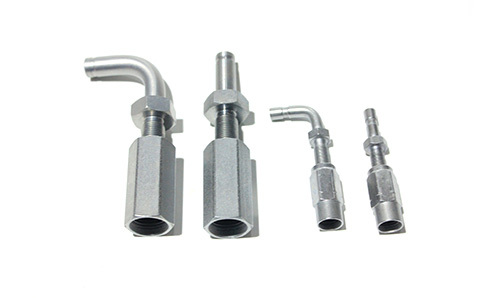
Understanding Progressive Lubrication Systems: A Key to Optimal Generator Operation
Understanding Progressive Lubrication Systems: A Key to Optimal Generator Operation
Table of Contents
1. Introduction to Progressive Lubrication Systems
2. The Importance of Lubrication in Generators
3. How Progressive Lubrication Systems Work
3.1 Key Components of Progressive Lubrication Systems
3.2 The Mechanism of Lubrication Distribution
Understanding Progressive Lubrication Systems: A Key to Optimal Generator Operation
Table of Contents
- 1. Introduction to Progressive Lubrication Systems
- 2. The Importance of Lubrication in Generators
- 3. How Progressive Lubrication Systems Work
- 4. Benefits of Using Progressive Lubrication Systems
- 5. Maintenance Best Practices for Progressive Lubrication Systems
- 6. Common Issues and Troubleshooting
- 7. Frequently Asked Questions
- 8. Conclusion
1. Introduction to Progressive Lubrication Systems
In the world of **generator operation**, maintaining optimal performance is crucial for both efficiency and longevity. Progressive lubrication systems play a vital role in ensuring that all moving parts within a generator are adequately lubricated. By providing a continuous flow of lubricant, these systems reduce friction and wear, thereby extending the life of the generator. Understanding how these systems work and their benefits is essential for anyone involved in generator maintenance or operation.
2. The Importance of Lubrication in Generators
Lubrication is the lifeblood of any mechanical system, and generators are no exception. Proper lubrication serves several key functions:
- **Reduced Friction**: By minimizing contact between moving parts, lubrication reduces friction, which can lead to overheating.
- **Wear Prevention**: Consistent lubrication helps to prevent wear and tear on components, ensuring the generator operates smoothly over time.
- **Thermal Regulation**: Lubricants also assist in dissipating heat generated by moving parts, maintaining optimal temperature levels.
- **Contaminant Removal**: Lubrication systems can help carry contaminants away from critical components, thereby improving overall efficiency.
By understanding these functions, operators can appreciate the necessity of implementing a robust lubrication system.
3. How Progressive Lubrication Systems Work
Progressive lubrication systems are engineered to provide controlled, precise amounts of lubricant to various parts of a generator. Here's a deeper look into how these systems operate.
3.1 Key Components of Progressive Lubrication Systems
Several components make up a progressive lubrication system:
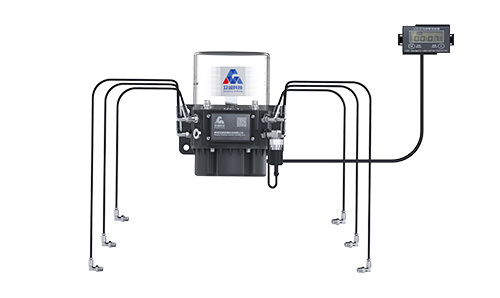
- **Pump**: This is the heart of the system, responsible for delivering lubricant to various points.
- **Distribution Block**: The distribution block splits the flow of lubricant into multiple lines, directing it to different lubrication points.
- **Lubrication Lines**: These lines carry the lubricant from the distribution block to specific components, ensuring each part receives the necessary amount.
- **Lubrication Points**: These are the actual locations where lubricant is applied, such as bearings, gears, and other moving parts.
Understanding these components is crucial for maintaining the system.
3.2 The Mechanism of Lubrication Distribution
The operation of a progressive lubrication system is straightforward yet effective. The pump generates pressure, which forces the lubricant through the distribution block. As the lubricant flows through the lines, it reaches predetermined lubrication points. The system is designed to deliver a precise quantity of lubricant based on the requirements of each component. This precision helps to ensure optimal lubrication without over-lubricating, which can lead to other issues such as oil leakage or contamination.
4. Benefits of Using Progressive Lubrication Systems
Implementing a progressive lubrication system in generators offers numerous benefits:
- **Enhanced Reliability**: By ensuring consistent lubrication, these systems enhance the reliability of generator operations.
- **Increased Efficiency**: Proper lubrication minimizes friction, leading to improved energy efficiency and reduced operational costs.
- **Prolonged Equipment Life**: By reducing wear and tear, progressive lubrication systems can significantly extend the lifespan of generators.
- **Lower Maintenance Costs**: Although initial setup may require investment, the long-term savings on maintenance and repairs can be substantial.
- **Real-time Monitoring**: Many advanced systems offer the ability to monitor lubricant levels and flow rates, allowing for proactive maintenance.
5. Maintenance Best Practices for Progressive Lubrication Systems
To ensure that progressive lubrication systems operate effectively, regular maintenance is essential. Consider the following best practices:
- **Routine Inspections**: Regularly inspect the system for leaks, blockages, or other signs of wear.
- **Lubricant Quality**: Use high-quality lubricants that meet the manufacturer's specifications to ensure optimal performance.
- **Filter Checks**: If the system includes filters, check and replace them as necessary to avoid contamination.
- **Pressure Monitoring**: Regularly monitor system pressure to ensure it remains within the specified range.
- **System Cleanliness**: Keep the system clean from dust and debris to prevent clogging and maintain efficiency.
By following these practices, operators can significantly enhance the performance and reliability of their progressive lubrication systems.
6. Common Issues and Troubleshooting
Even the best systems can encounter issues. Here are some common problems and their solutions:
- **Inadequate Lubrication**: If certain components are not receiving enough lubricant, check for blockages in the lines or distribution block.
- **Leakage**: Leakage may indicate damaged seals or fittings. Inspect these areas and replace any faulty components.
- **Pressure Fluctuations**: If pressure levels are inconsistent, verify that the pump is functioning correctly and that there are no air leaks in the system.
- **Contaminated Lubricant**: If lubricant quality is compromised, drain the system and replace it with clean lubricant.
By addressing these issues promptly, operators can maintain the integrity of their lubrication systems and, consequently, their generators.
7. Frequently Asked Questions
What is a progressive lubrication system?
A progressive lubrication system is a specialized mechanism designed to distribute lubricant precisely to various moving parts in a generator, enhancing performance and longevity.
How often should I check my lubrication system?
Regular inspections should be conducted at least monthly, with more frequent checks recommended for systems operating under heavy loads.
Can I use any lubricant in a progressive lubrication system?
No, it is essential to use high-quality lubricants that meet the specifications set by the manufacturer for optimal performance.
What are the signs of a failing lubrication system?
Signs include unusual noises from the generator, overheating, and visible leaks. Regular monitoring can help identify these issues early.
How can I improve the efficiency of my lubrication system?
Implement regular maintenance, use quality lubricants, and ensure timely inspections to maintain optimal system performance.
8. Conclusion
Understanding and implementing progressive lubrication systems is critical to achieving optimal generator operation. By ensuring that all moving parts receive adequate lubrication, these systems reduce friction, prevent wear, and enhance efficiency. Regular maintenance and monitoring are essential to keep these systems functioning at their best. Embracing the benefits of progressive lubrication not only extends the life of your generators but also contributes to improved overall operational efficiency. With this knowledge, you are now equipped to take proactive steps towards maintaining your generators and ensuring their long-term reliability.
Previous



Phone/WhatsApp:
Email:
About Us
Zhengzhou Zhongcheng Lubrication Technology Co., Ltd. is a high-tech enterprise incubated by YUTONG. It mainly focuses on centralized lubrication systems, precision filtration systems and hydraulic systems as its main business!
HUATAO GROUP


