



Understanding the Mechanics of Disc Progressive Lubrication Systems: A Comprehensive Guide
Understanding the Mechanics of Disc Progressive Lubrication Systems
Table of Contents
Introduction to Disc Progressive Lubrication Systems
What is Disc Progressive Lubrication?
Key Components of Disc Progressive Lubrication Systems
Working Principles of Disc Progressive Lubrication
Advantages of Using Disc Progressive Lubrication Systems
Applications of Disc Progressive Lubrication Sy
Understanding the Mechanics of Disc Progressive Lubrication Systems
Table of Contents
- Introduction to Disc Progressive Lubrication Systems
- What is Disc Progressive Lubrication?
- Key Components of Disc Progressive Lubrication Systems
- Working Principles of Disc Progressive Lubrication
- Advantages of Using Disc Progressive Lubrication Systems
- Applications of Disc Progressive Lubrication Systems
- Maintenance of Disc Progressive Lubrication Systems
- Troubleshooting Common Issues
- Expert Tips for Optimal Performance
- Conclusion
- Frequently Asked Questions
Introduction to Disc Progressive Lubrication Systems
In the realm of industrial machinery and equipment maintenance, **Disc Progressive Lubrication Systems** stand out for their efficiency and reliability. These systems are designed to deliver precise amounts of lubricant to various components, ensuring optimal performance and longevity. Understanding these systems is crucial for engineers and maintenance professionals who seek to enhance machinery life and reduce downtime. This article delves into the mechanics, components, advantages, applications, and maintenance of disc progressive lubrication systems, providing a comprehensive overview for industry practitioners.
What is Disc Progressive Lubrication?
Disc Progressive Lubrication is a method of delivering lubricant in a controlled manner throughout a machinery system. Unlike traditional systems that rely on intermittent lubrication, disc progressive systems employ a progressive metering approach that distributes lubricant in a consistent and regulated fashion. This system is particularly effective in applications where multiple lubrication points need to be serviced simultaneously.
The core principle of disc progressive lubrication is its ability to use a **centralized lubrication system** that operates through a series of interconnected components, making it the preferred choice in various industrial settings. By utilizing a sequence of lubricating discs, this system can control the flow of lubricant, ensuring even distribution and minimizing waste.
Key Components of Disc Progressive Lubrication Systems
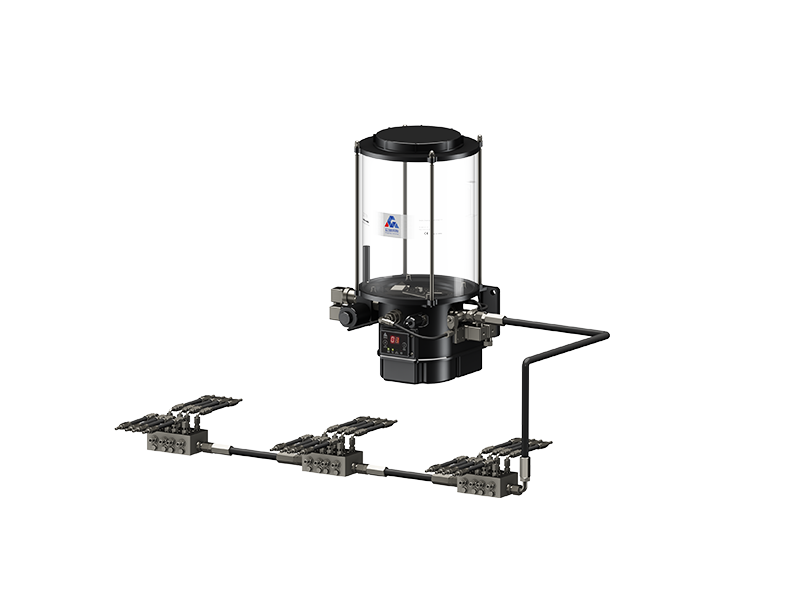
Understanding the various components of disc progressive lubrication systems is vital for anyone involved in their operation or maintenance. The primary components include:
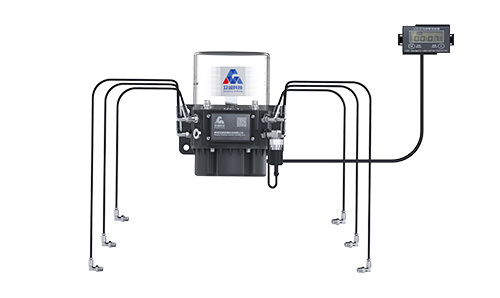
1. Lubrication Pump
The lubrication pump is the heart of the disc progressive system. It generates the pressure needed to push the lubricant through the network of pipes and to the lubrication points.
2. Metering Discs
Metering discs are critical in regulating the amount of lubricant dispensed to each lubrication point. These discs are designed with a specific number of outlets that correspond to different lubrication points in the system.
3. Distribution Pipes
Distribution pipes connect the lubrication pump to the various lubrication points. They must be constructed to handle the pressure generated by the pump, ensuring that the lubricant reaches its destination without leaks.
4. Lubrication Points
These are the specific locations on machinery where lubricant is delivered. They can include bearings, gears, and other moving parts that require regular lubrication to function optimally.
5. Control Units
Control units monitor and regulate the lubrication processes, ensuring that each component receives the appropriate amount of lubricant. They can be manual or automated, depending on the complexity of the system.
Working Principles of Disc Progressive Lubrication
The operation of a disc progressive lubrication system can be summarized in several key steps:
1. Lubricant Supply
The process begins with the lubrication pump drawing lubricant from a reservoir. This lubricant is typically grease or oil, selected based on the application's requirements.
2. Pressure Generation
The pump generates pressure, which forces the lubricant into the distribution pipes. The pressure must be sufficient to overcome any resistance in the system.
3. Lubricant Dispensing
As the lubricant travels through the distribution pipes, it reaches the metering discs. Here, the lubricant is evenly distributed to each lubrication point according to the pre-determined settings of the metering discs.
4. Monitoring and Control
Control units monitor the flow of lubricant, ensuring that each point receives its allocated amount. This monitoring can be done manually or through automated systems that provide real-time data.
Advantages of Using Disc Progressive Lubrication Systems
Disc progressive lubrication systems offer numerous advantages over traditional lubrication methods:
1. Improved Efficiency
These systems provide precise lubrication, reducing waste and ensuring that all components receive the necessary amount of lubricant.
2. Reduced Downtime
By maintaining optimal lubrication levels, machines experience fewer breakdowns, minimizing downtime and increasing productivity.
3. Consistency
The progressive nature of these systems ensures that lubricant is distributed evenly, preventing any areas from being over or under-lubricated.
4. Flexibility
Disc progressive systems can be customized to meet the specific needs of various applications, making them versatile for different industries.
5. Enhanced Longevity
Proper lubrication significantly extends the life of machinery components, leading to lower maintenance costs and improved operational efficiency.
Applications of Disc Progressive Lubrication Systems
Disc progressive lubrication systems find applications in various industries due to their versatility and reliability:
1. Manufacturing Industry
In manufacturing, these systems are used for lubricating machinery such as conveyor belts, presses, and milling machines.
2. Automotive Industry
Disc progressive systems are common in automotive assembly lines for maintaining the lubrication of robotics and assembly machinery.
3. Mining and Construction
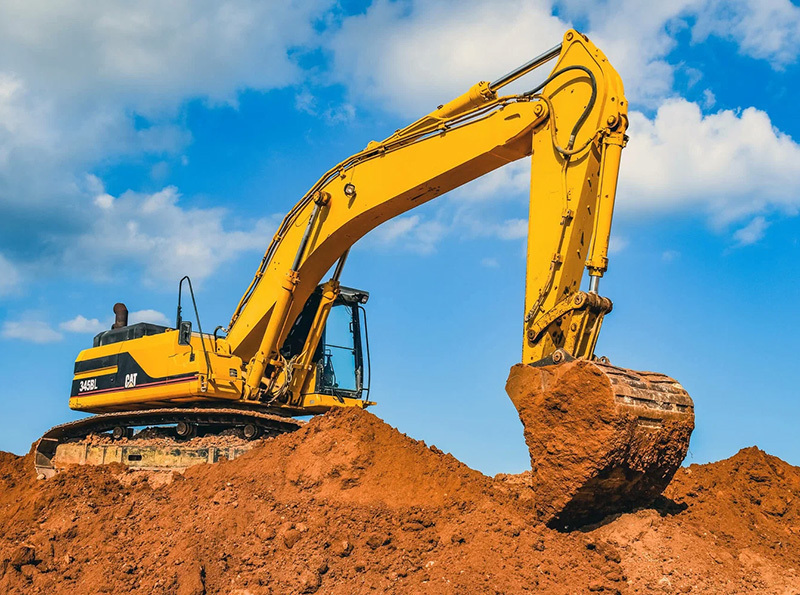
Heavy equipment in mining and construction requires robust lubrication systems to operate efficiently under harsh conditions.
4. Food and Beverage Industry
In food processing, maintaining clean and hygienic lubrication is crucial; disc progressive systems provide effective solutions.
5. Renewable Energy
In wind turbines and solar power systems, reliable lubrication is critical for performance, making disc progressive systems an ideal choice.
Maintenance of Disc Progressive Lubrication Systems
Regular maintenance is essential for ensuring the longevity and efficiency of disc progressive lubrication systems. Here are key maintenance practices:
1. Regular Inspections
Routine inspections help identify any wear and tear on components such as the pump or metering discs. Regular checks can prevent major failures.
2. Lubricant Quality
Using high-quality lubricants that meet the specifications of the machinery is crucial. Regularly check and replace the lubricant as needed.
3. System Cleanliness
Keeping the system clean, especially the distribution pipes and lubrication points, is vital to prevent contamination and ensure optimal performance.
4. Monitoring Performance
Utilize control units to monitor the system's performance. Any discrepancies in lubricant delivery should be addressed immediately.
Troubleshooting Common Issues
Even the best systems can encounter issues. Here are common problems and their troubleshooting steps:
1. Inconsistent Lubrication
If lubrication is inconsistent, check for blockages in the distribution pipes or malfunctioning metering discs.
2. Pressure Issues
Low pressure can indicate a problem with the pump or insufficient lubricant supply. Check the pump operation and lubricant levels.
3. Leaks
Leaks can occur due to worn seals or damaged pipes. Inspect connections and seals to identify and repair leaks promptly.
Expert Tips for Optimal Performance
To maximize the effectiveness of disc progressive lubrication systems, consider the following expert tips:
1. Proper Installation
Ensure that the system is installed correctly and according to manufacturer specifications to prevent future issues.
2. Use Compatible Lubricants
Always use lubricants that are compatible with the system components to avoid degradation of materials.
3. Document Maintenance Activities
Keep detailed records of maintenance activities, inspections, and any repairs performed to track system performance over time.
4. Train Personnel
Ensure that all personnel involved in operating or maintaining the system are adequately trained to recognize issues and perform necessary tasks.
Conclusion
Understanding the mechanics of **Disc Progressive Lubrication Systems** is essential for anyone involved in machinery maintenance and operation. These systems offer efficient, reliable, and precise lubrication solutions that enhance the performance and longevity of industrial equipment. By comprehending their components, working principles, and best practices for maintenance, professionals can optimize their use and ensure the smooth operation of machinery across various industries. Embracing this technology will undoubtedly lead to improved efficiency and reduced operating costs in the long run.
Frequently Asked Questions
1. What types of lubricants can be used in disc progressive lubrication systems?
Disc progressive lubrication systems can utilize a variety of lubricants, including greases and oils, as long as they meet the specifications of the machinery involved.
2. How often should I perform maintenance on a disc progressive lubrication system?
Maintenance frequency can vary based on usage and environment, but regular inspections should be conducted at least every three to six months.
3. Can I retrofit my existing lubrication system to a disc progressive system?
Yes, many existing systems can be retrofitted to a disc progressive system, enhancing their efficiency and functionality.
4. What are common signs that my lubrication system is failing?
Common signs include inconsistent lubrication, unusual noises from machinery, and visible leaks around the lubrication points.
5. How do I choose the right disc progressive lubrication system for my application?
Selecting the right system involves considering the specific lubrication needs, the number of lubrication points, and the operating environment of the machinery. Consult with a lubrication specialist for tailored advice.
Previous


Phone/WhatsApp:
Email:
About Us
Zhengzhou Zhongcheng Lubrication Technology Co., Ltd. is a high-tech enterprise incubated by YUTONG. It mainly focuses on centralized lubrication systems, precision filtration systems and hydraulic systems as its main business!
HUATAO GROUP


