



The Importance of Proper Pinion Lubrication in Electrical Generators
The Importance of Proper Pinion Lubrication in Electrical Generators
Electrical generators play a pivotal role in our modern infrastructure, powering homes, industries, and essential services. While their functionality is often taken for granted, the maintenance of these machines is crucial for optimal performance. One of the critical aspects of this maintenance is **proper pinion lubrication**. I
The Importance of Proper Pinion Lubrication in Electrical Generators
Electrical generators play a pivotal role in our modern infrastructure, powering homes, industries, and essential services. While their functionality is often taken for granted, the maintenance of these machines is crucial for optimal performance. One of the critical aspects of this maintenance is **proper pinion lubrication**. In this detailed article, we delve into the significance of pinion lubrication, the consequences of neglecting it, and practical tips for ensuring your electrical generators operate efficiently.
Table of Contents
1. What is Pinion Lubrication?
2. Why is Pinion Lubrication Important in Electrical Generators?
3. Common Mistakes in Pinion Lubrication
4. Best Practices for Pinion Lubrication
5. Types of Lubricants Used for Pinion Lubrication
6. How Often Should Pinion Lubrication Be Performed?
7. Tools and Equipment for Effective Lubrication
8. Conclusion
9. Frequently Asked Questions
What is Pinion Lubrication?
Pinion lubrication refers to the application of lubricants to the pinion gear of an electrical generator. The pinion gear is a small gear that engages with a larger gear (the ring gear) to transmit power and motion within the generator. Proper lubrication of the pinion is essential for reducing friction, minimizing wear and tear, and ensuring smooth operation.
In electrical generators, pinion lubrication involves applying specific lubricants designed to withstand high pressures, temperatures, and environmental conditions. The lubrication process not only protects the pinion gear itself but also plays a significant role in the overall efficiency of the electrical generator.
Why is Pinion Lubrication Important in Electrical Generators?
The importance of pinion lubrication can be summarized in several key points:
1. Reducing Friction and Wear
Proper lubrication significantly reduces friction between the pinion and other components. This reduction in friction translates into less wear on the gears, extending their lifespan and maintaining their operational integrity.
2. Enhancing Efficiency
Efficient operation is vital for electrical generators. Well-lubricated pinions ensure smooth engagement with the ring gear, minimizing energy losses and maximizing the generator’s efficiency. This is particularly critical in large-scale power generation, where even minor efficiency gains can lead to substantial cost savings.
3. Preventing Overheating
Without adequate lubrication, friction can cause excessive heat buildup. Overheating can lead to failures in the generator, resulting in costly downtimes and repairs. Proper pinion lubrication helps dissipate heat, maintaining optimal operating temperatures.
4. Minimizing Noise and Vibration
A well-lubricated pinion operates more quietly and with less vibration. This is not only beneficial for the longevity of the generator but also for the comfort of those working nearby. Excessive noise and vibration can indicate underlying issues that may require immediate attention.
5. Protecting Against Corrosion
Lubricants help to create a protective barrier against moisture and contaminants, which can lead to corrosion. Corroded gears can fail prematurely, leading to significant repair costs and operational downtime.
Common Mistakes in Pinion Lubrication
While pinion lubrication is crucial, there are several common mistakes that can compromise its effectiveness. Understanding these mistakes can help operators maintain their generators more effectively.
1. Over-Lubrication
Adding too much lubricant can lead to a buildup of excess grease. This can attract dust and debris, which can impair the operation of the gears and lead to premature wear.
2. Using the Wrong Lubricant
Not all lubricants are suitable for every application. Using the incorrect type of lubricant can result in inadequate protection, leading to increased wear and potential failure of the pinion gear.
3. Infrequent Lubrication
Neglecting to lubricate the pinion gear regularly can result in excessive friction and wear. Establishing a lubrication schedule is essential to ensure optimal performance.
4. Ignoring Manufacturer Recommendations
Every electrical generator has specific lubrication requirements as outlined in the manufacturer’s guidelines. Ignoring these recommendations can lead to improper maintenance and increased risk of failure.
5. Failing to Monitor Lubricant Condition
Lubricants degrade over time, losing their effectiveness. Regularly checking the condition of the lubricant ensures that it is still providing the necessary protection.
Best Practices for Pinion Lubrication
To ensure optimal performance and longevity of the electrical generator, here are some best practices for pinion lubrication:
1. Follow Manufacturer Guidelines
Always refer to the manufacturer’s guidelines for lubrication frequency, type, and application methods. These guidelines are based on extensive research and testing, ensuring the best performance for the specific model.
2. Use Quality Lubricants
Invest in high-quality lubricants that are specifically designed for electrical generators. Ensure that the lubricant meets industry standards and is compatible with the materials used in the generator’s construction.
3. Establish a Lubrication Schedule
Set a regular lubrication schedule based on usage and operating conditions. More frequent lubrication may be necessary for generators operating under heavy loads or harsh environments.
4. Inspect Lubricant Condition Regularly
Regularly check the condition of the lubricant for signs of contamination, degradation, or depletion. Replace any contaminated or degraded lubricant immediately to maintain protective qualities.
5. Utilize Proper Application Techniques
When applying lubricant, ensure even coverage without over-saturating any areas. Use appropriate tools and techniques to apply the lubricant effectively.
Types of Lubricants Used for Pinion Lubrication
There are various types of lubricants available for pinion lubrication, each with unique properties suited for different applications:
1. Synthetic Oils
Synthetic oils offer excellent thermal stability and high-performance characteristics. They are less prone to oxidation and provide superior lubrication under extreme conditions.
2. Greases
Greases are commonly used for pinion lubrication due to their consistency and ability to stay in place. They are often formulated with additives that enhance their performance and longevity.
3. Mineral Oils
Mineral oils are traditional lubricants that provide good lubrication but may not perform as well under extreme conditions compared to synthetic oils.
4. Biodegradable Lubricants
Increasingly, environmentally friendly biodegradable lubricants are becoming popular. These lubricants provide effective lubrication while reducing the environmental impact in case of spills.
How Often Should Pinion Lubrication Be Performed?
The frequency of pinion lubrication depends on several factors, including generator usage, operating conditions, and manufacturer recommendations. However, a general guideline includes:
- Daily inspections for high-use generators.
- Monthly lubrication checks for moderate-use generators.
- Quarterly lubrication maintenance for low-use generators.
Always adjust the schedule based on operational demands and monitoring results.
Tools and Equipment for Effective Lubrication
Having the right tools is essential for effective pinion lubrication. Some essential tools include:
1. Grease Gun
A grease gun allows for precise application of grease to the pinion gear, ensuring even coverage without over-lubrication.
2. Oil Pumps
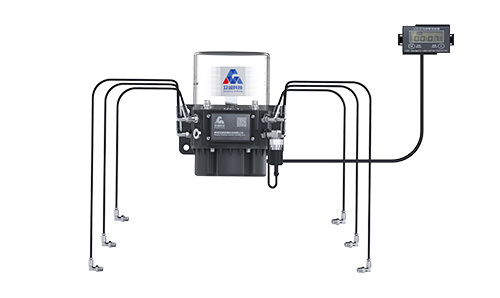
For lubricating oils, oil pumps facilitate the application of lubricant in a controlled manner, preventing spills and ensuring adequate coverage.
3. Lubrication Monitoring Equipment
Monitoring equipment can measure the condition of the lubricant and provide alerts for necessary maintenance, ensuring optimal protection for the generator.
Conclusion
Proper pinion lubrication is a critical aspect of maintaining the efficiency and longevity of electrical generators. By understanding the importance of lubrication, avoiding common mistakes, and adhering to best practices, operators can ensure their generators perform optimally and reliably. As technology advances in the electrical power generation industry, staying informed about the latest lubrication techniques and products will further enhance generator performance and operational efficiency.
Frequently Asked Questions
1. What happens if I don’t lubricate the pinion gear?
Neglecting to lubricate the pinion gear can lead to excessive wear, overheating, and eventual failure of the generator, resulting in costly repairs and downtime.
2. How do I know if my pinion lubrication is effective?
Regular monitoring of lubricant condition, observing operational performance, and checking for unusual noise or vibration can indicate effective lubrication.
3. Can I use any lubricant for my generator?
No, it’s essential to use lubricants recommended by the manufacturer to ensure compatibility and optimal performance.
4. How do environmental conditions affect pinion lubrication?
Extreme temperatures, moisture, and contaminants can degrade lubricants, necessitating more frequent checks and maintenance.
5. What are the signs that my generator needs lubrication?
Signs include increased noise, vibration, overheating, and a decrease in performance. Regular inspections can help identify these issues early.
By prioritizing proper pinion lubrication, you can significantly enhance the performance, reliability, and lifespan of your electrical generators.


Phone/WhatsApp:
Email:
About Us
Zhengzhou Zhongcheng Lubrication Technology Co., Ltd. is a high-tech enterprise incubated by YUTONG. It mainly focuses on centralized lubrication systems, precision filtration systems and hydraulic systems as its main business!
HUATAO GROUP


