



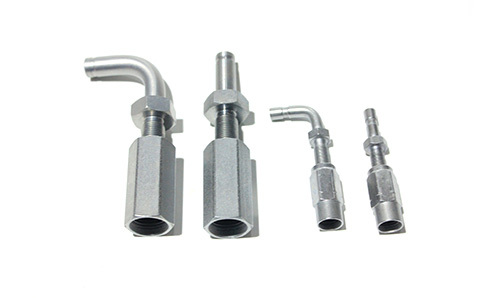
The Importance of Lubricating the Pinion in Generator Systems
When it comes to the maintenance of generator systems, one vital aspect that often gets overlooked is the lubrication of the pinion. The pinion serves as a crucial component in the operational framework of generators, facilitating the transfer of energy within the system. Proper lubrication is essential for ensuring that the pinion operates smoothly, reducing friction and wear, which can lead to p
When it comes to the maintenance of generator systems, one vital aspect that often gets overlooked is the lubrication of the pinion. The pinion serves as a crucial component in the operational framework of generators, facilitating the transfer of energy within the system. Proper lubrication is essential for ensuring that the pinion operates smoothly, reducing friction and wear, which can lead to premature failure if not adequately managed.
Lubrication of the pinion is integral for several reasons. First, it minimizes friction between moving parts. In a generator, the pinion is subject to constant motion and pressure. Without sufficient lubrication, the friction can lead to overheating and degradation of both the pinion and the gears it interacts with. This can ultimately cause the generator to malfunction, leading to costly downtime and repairs.
Additionally, lubricating the pinion helps in dissipating heat generated during operation. Generators, especially those working continuously under load, produce significant heat. Proper lubrication aids in heat dissipation, helping maintain an optimal operating temperature. This contributes to the overall reliability of the generator and prevents overheating issues that could compromise its performance.
Moreover, regular lubrication can protect against corrosion. Generators are often exposed to various environmental conditions, which can lead to rust and corrosion of metal components. A good lubricant forms a protective barrier on the metal surfaces of the pinion, preventing moisture and contaminants from causing damage. This not only prolongs the life of the pinion but also ensures the entire generator operates efficiently and reliably.
It’s essential to use the right type of lubricant when servicing the pinion. Depending on the specific requirements of your generator, different lubricants may be more suitable. Always refer to the manufacturer’s guidelines to choose a lubricant that meets the specifications of your generator type and model.
In conclusion, lubricating the pinion in generator systems is a critical maintenance task that cannot be ignored. By minimizing friction, dissipating heat, and preventing corrosion, proper lubrication significantly enhances the performance and longevity of your generator. Regularly scheduled maintenance checks should include a thorough inspection and lubrication of the pinion to ensure optimal operational efficiency and reliability. Emphasizing this aspect of generator care can lead to improved performance and reduced operational costs over time. Remember, proactive maintenance today translates to fewer headaches tomorrow.
Lubrication of the pinion is integral for several reasons. First, it minimizes friction between moving parts. In a generator, the pinion is subject to constant motion and pressure. Without sufficient lubrication, the friction can lead to overheating and degradation of both the pinion and the gears it interacts with. This can ultimately cause the generator to malfunction, leading to costly downtime and repairs.
Additionally, lubricating the pinion helps in dissipating heat generated during operation. Generators, especially those working continuously under load, produce significant heat. Proper lubrication aids in heat dissipation, helping maintain an optimal operating temperature. This contributes to the overall reliability of the generator and prevents overheating issues that could compromise its performance.
Moreover, regular lubrication can protect against corrosion. Generators are often exposed to various environmental conditions, which can lead to rust and corrosion of metal components. A good lubricant forms a protective barrier on the metal surfaces of the pinion, preventing moisture and contaminants from causing damage. This not only prolongs the life of the pinion but also ensures the entire generator operates efficiently and reliably.
It’s essential to use the right type of lubricant when servicing the pinion. Depending on the specific requirements of your generator, different lubricants may be more suitable. Always refer to the manufacturer’s guidelines to choose a lubricant that meets the specifications of your generator type and model.
In conclusion, lubricating the pinion in generator systems is a critical maintenance task that cannot be ignored. By minimizing friction, dissipating heat, and preventing corrosion, proper lubrication significantly enhances the performance and longevity of your generator. Regularly scheduled maintenance checks should include a thorough inspection and lubrication of the pinion to ensure optimal operational efficiency and reliability. Emphasizing this aspect of generator care can lead to improved performance and reduced operational costs over time. Remember, proactive maintenance today translates to fewer headaches tomorrow.


Phone/WhatsApp:
Email:
About Us
Zhengzhou Zhongcheng Lubrication Technology Co., Ltd. is a high-tech enterprise incubated by YUTONG. It mainly focuses on centralized lubrication systems, precision filtration systems and hydraulic systems as its main business!
HUATAO GROUP


