



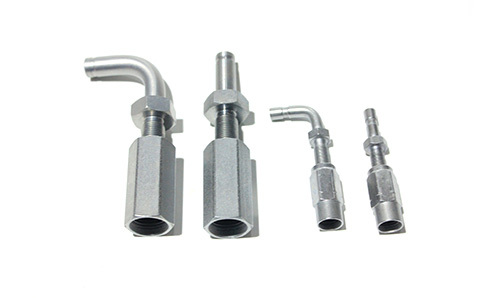
Understanding the Critical Role of Pinion Lubrication in Maximizing Generator Efficiency
Understanding the Critical Role of Pinion Lubrication in Maximizing Generator Efficiency
Table of Contents
1. Introduction to Pinion Lubrication
2. The Importance of Lubrication in Generators
3. The Mechanics of Pinion Lubrication
4. Types of Lubricants for Pinion Gears
5. Best Practices for Pinion Lubrication
6. Common Issues Related to Lubrication
7. Maintenance Tips
Understanding the Critical Role of Pinion Lubrication in Maximizing Generator Efficiency
Table of Contents
- 1. Introduction to Pinion Lubrication
- 2. The Importance of Lubrication in Generators
- 3. The Mechanics of Pinion Lubrication
- 4. Types of Lubricants for Pinion Gears
- 5. Best Practices for Pinion Lubrication
- 6. Common Issues Related to Lubrication
- 7. Maintenance Tips for Enhanced Efficiency
- 8. Conclusion: Maximizing Generator Efficiency through Proper Lubrication
- 9. FAQs
1. Introduction to Pinion Lubrication
Pinion lubrication plays a pivotal role in the effective functioning of generators. As the heart of the generator mechanism, pinions require proper lubrication to reduce friction and wear, which can lead to increased operational efficiency and longevity. In this article, we will delve deep into the mechanisms of pinion lubrication and how it impacts generator efficiency, offering valuable insights for operators and maintenance personnel alike.
2. The Importance of Lubrication in Generators
Lubrication serves multiple purposes in generator systems:
- **Friction Reduction:** Proper lubrication minimizes friction between moving parts, thereby reducing energy loss.
- **Heat Dissipation:** Lubricants help in dissipating heat generated during operation, preventing overheating and subsequent damage.
- **Corrosion Protection:** Quality lubricants protect against rust and corrosion, ensuring the longevity of components.
- **Cleanliness Maintenance:** Lubricants assist in carrying away contaminants, keeping the system clean and functioning optimally.
Understanding these benefits emphasizes why effective pinion lubrication is crucial for maintaining generator efficiency.
3. The Mechanics of Pinion Lubrication
Pinion gears operate under significant stress and load, making lubrication vital for maintaining their functionality. Pinions convert rotational motion between gears and play a crucial role in power transmission. When adequately lubricated, they ensure:
- **Smooth Operation:** Lubrication forms a protective layer between gear teeth, allowing for smooth interaction.
- **Reduced Wear:** Proper lubrication reduces metal-to-metal contact, significantly prolonging the lifespan of gear components.
The mechanics of lubrication involve choosing the right type of lubricant, applying it correctly, and ensuring it reaches all necessary parts of the pinion assembly.
4. Types of Lubricants for Pinion Gears
Selecting the right lubricant is essential for optimal pinion performance. Common types of lubricants include:
- **Greases:** Typically used in gear applications due to their ability to adhere to metal surfaces while providing excellent protection against wear.
- **Oils:** Liquid lubricants that flow easily, offering good cooling properties and the ability to carry away debris.
- **Synthetic Lubricants:** Engineered to provide superior performance under extreme conditions, these lubricants often feature enhanced resistance to oxidation and thermal breakdown.
Choosing the right lubricant depends on the generator's operating conditions, environmental factors, and manufacturer recommendations.
5. Best Practices for Pinion Lubrication
To maximize generator efficiency through effective pinion lubrication, follow these best practices:
- **Regular Monitoring:** Frequently check lubricant levels and condition to ensure optimal performance.
- **Proper Application:** Follow manufacturer specifications for the amount and method of lubrication application.
- **Quality Checks:** Use high-quality lubricants that meet or exceed industry standards.
- **Environment Considerations:** Account for external factors, such as temperature and humidity, which may affect lubricant performance.
Implementing these practices can significantly enhance the operational efficiency of generators.
6. Common Issues Related to Lubrication
Several challenges can arise from improper pinion lubrication:
- **Over-Lubrication:** Excess lubricant can lead to excess pressure and seal failure.
- **Under-Lubrication:** Insufficient lubrication can cause increased friction, leading to faster wear and potential equipment failure.
- **Contaminants:** Dirt or debris can compromise lubricant effectiveness, leading to inadequate protection.
Identifying these issues early can help mitigate their impact on generator performance.
7. Maintenance Tips for Enhanced Efficiency
Regular maintenance is crucial for ensuring optimal lubrication and, consequently, generator efficiency. Here are some essential maintenance tips:
- **Scheduled Inspections:** Conduct regular inspections of pinion gears and lubrication points.
- **Lubricant Replacement:** Replace lubricants according to the manufacturer’s recommendations to maintain effectiveness.
- **Cleanliness Protocols:** Keep the lubrication system clean to avoid contamination.
Systematic maintenance helps in retaining the efficiency of generators and prolongs their lifespan.
8. Conclusion: Maximizing Generator Efficiency through Proper Lubrication
Pinion lubrication is an indispensable aspect of generator operation that directly influences efficiency and longevity. By understanding the mechanics of lubrication, selecting appropriate lubricants, and adhering to best practices, operators can enhance generator performance significantly. Investing time and resources into effective lubrication strategies ensures that generators operate at their peak, providing reliable and efficient power generation.
9. FAQs
What is pinion lubrication, and why is it important?
Pinion lubrication involves the application of lubricants to pinion gears within generators. It is crucial for reducing friction, preventing wear and tear, and ensuring efficient operation.
How often should pinion lubrication be checked?
Pinion lubrication should be checked regularly, typically every 500 to 1,000 operating hours or as specified by the manufacturer.
Can using the wrong lubricant damage the generator?
Yes, using the wrong lubricant can lead to increased friction, overheating, and premature wear of components, ultimately compromising generator efficiency.
What are the signs of inadequate lubrication?
Signs of inadequate lubrication include unusual noises, overheating, increased energy consumption, and visible wear on gear teeth.
Are synthetic lubricants better than conventional oils?
Synthetic lubricants often provide superior performance under extreme conditions, offering better protection against wear, thermal breakdown, and oxidation, making them a preferred choice in many applications.
By implementing the information provided in this article, operators can ensure that their generators run efficiently, extending the equipment's lifespan and reducing operational costs. Proper pinion lubrication is not just about keeping the gears running; it's about maximizing the potential of the entire generator system.


Phone/WhatsApp:
Email:
About Us
Zhengzhou Zhongcheng Lubrication Technology Co., Ltd. is a high-tech enterprise incubated by YUTONG. It mainly focuses on centralized lubrication systems, precision filtration systems and hydraulic systems as its main business!
HUATAO GROUP


