


Understanding the Mechanisms of Multi-Line Plunger Lubrication Systems: A Comprehensive Guide
Understanding the Mechanisms of Multi-Line Plunger Lubrication Systems
Table of Contents
1. Introduction to Multi-Line Plunger Lubrication Systems
2. The Importance of Lubrication in Machinery
3. Components of Multi-Line Plunger Lubrication Systems
3.1 Plunger Pumps
3.2 Distribution Blocks
3.3 Lubrication Lines
3.4 Control Systems
4. How Multi-Line Plunger Lubrication Systems Work
4.1 The Lubricat
Understanding the Mechanisms of Multi-Line Plunger Lubrication Systems
Table of Contents
1. Introduction to Multi-Line Plunger Lubrication Systems
2. The Importance of Lubrication in Machinery
3. Components of Multi-Line Plunger Lubrication Systems
3.1 Plunger Pumps
3.2 Distribution Blocks
3.3 Lubrication Lines
3.4 Control Systems
4. How Multi-Line Plunger Lubrication Systems Work
4.1 The Lubrication Process
4.2 Cycle Timing and Control
5. Benefits of Multi-Line Plunger Lubrication Systems
6. Applications in Various Industries
7. Maintenance and Troubleshooting Tips
8. Conclusion
9. Frequently Asked Questions (FAQs)
1. Introduction to Multi-Line Plunger Lubrication Systems
Multi-line plunger lubrication systems serve a critical role in the upkeep of machinery across diverse industries. These systems are designed to distribute lubricant efficiently to multiple points, ensuring that every component operates smoothly and reliably. By understanding their mechanics, businesses can improve equipment lifespan and efficiency.
2. The Importance of Lubrication in Machinery
Lubrication is vital for reducing friction and wear between moving parts, leading to less energy consumption and enhanced performance. Proper lubrication minimizes heat generation and prevents corrosion, which can lead to catastrophic equipment failure. In environments where machinery operates under high stress, a reliable lubrication system is not just beneficial; it is essential.
3. Components of Multi-Line Plunger Lubrication Systems
Understanding the individual components of multi-line plunger systems allows operators and maintenance personnel to appreciate how these systems function as a whole.
3.1 Plunger Pumps
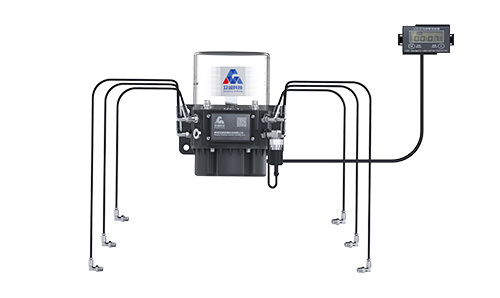
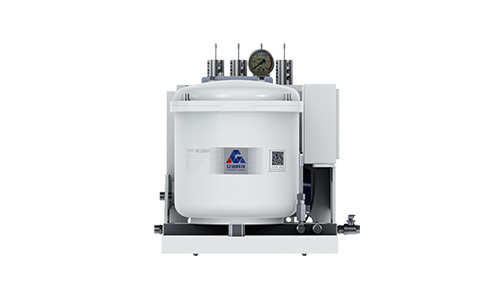
Plunger pumps are the heart of the multi-line lubrication system. They create pressure within the system, pushing the lubricant through the lines to various lubrication points. These pumps can be adjusted to vary the amount of lubricant delivered based on the operational requirements of the machinery.
3.2 Distribution Blocks
Distribution blocks serve as the junctions where the lubricant is split into multiple lines. They ensure an even distribution of lubricant to all connected points, which is crucial for maintaining optimal operating conditions in machinery.
3.3 Lubrication Lines
The lubrication lines transport the lubricant from the pump to the various bearing and moving parts of the machinery. These lines must be durable and resistant to wear and corrosion, as they often operate under high pressure.
3.4 Control Systems
Control systems regulate the operation of the lubrication system, determining when and how much lubricant is dispensed. They can be manual or automated, with modern systems utilizing sensors and timers for optimal performance.
4. How Multi-Line Plunger Lubrication Systems Work
Understanding the operational mechanics of these lubrication systems can be complex but becomes clearer when broken down into essential processes.
4.1 The Lubrication Process
The lubrication process begins when the plunger pump is activated, creating pressure within the system. This pressure forces the lubricant through the distribution blocks and into the designated lubrication lines. Sensors monitor the pressure and flow, ensuring that each component receives the correct amount of lubricant.
4.2 Cycle Timing and Control
Cycle timing is critical in multi-line lubrication systems. Control systems determine the intervals at which the pump operates, allowing for precise lubrication according to the machine's operational cycles. This ensures that all parts receive adequate lubrication, even during periods of high activity, which is vital for reducing wear and tear.
5. Benefits of Multi-Line Plunger Lubrication Systems
Multi-line plunger lubrication systems offer various benefits that make them indispensable in modern machinery:
- **Enhanced Efficiency**: By providing consistent lubrication, these systems reduce friction and energy consumption.
- **Increased Equipment Lifespan**: Regular lubrication minimizes wear on components, extending their operational life.
- **Reduced Downtime**: Automated systems can reduce the need for manual lubrication, leading to less downtime for maintenance.
- **Improved Safety**: Proper lubrication reduces the risk of overheating and equipment failure, contributing to a safer workplace.
- **Cost-Effective**: The reduction in wear and tear translates into lower repair and replacement costs over time.
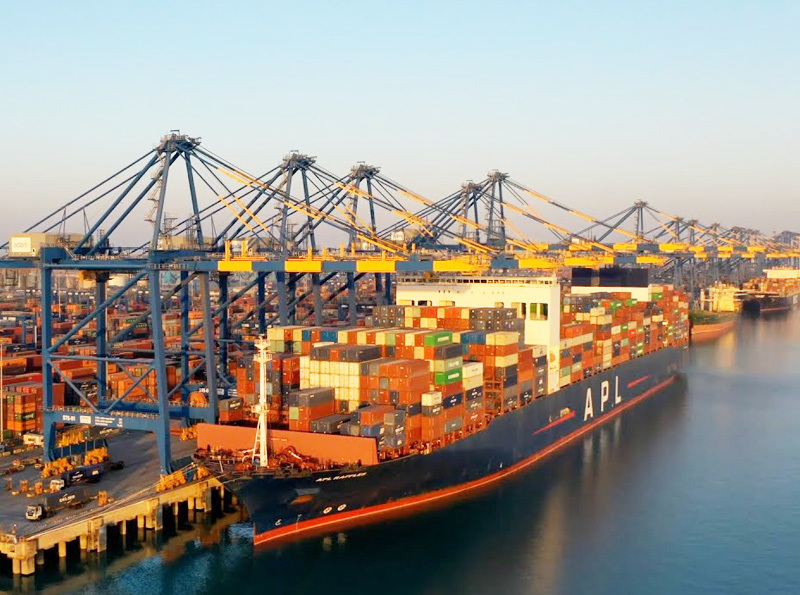
6. Applications in Various Industries
Multi-line plunger lubrication systems find applications across numerous sectors, including:
- **Manufacturing**: In assembly lines where machinery operates continuously, reliable lubrication is crucial.
- **Automotive**: Used in production facilities to ensure machinery runs smoothly and efficiently.
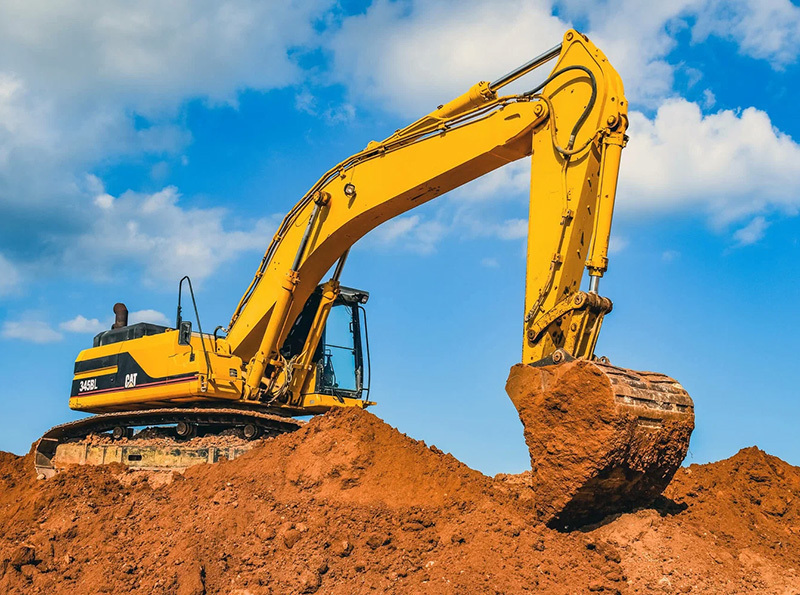
- **Mining**: Protecting heavy equipment from harsh conditions and reducing operational costs.
- **Construction**: Keeping machinery functional and reducing the risk of breakdowns on-site.
- **Agriculture**: Ensuring farm equipment operates efficiently to maximize productivity.
7. Maintenance and Troubleshooting Tips
Regular maintenance is essential to keep multi-line plunger lubrication systems operating optimally. Here are some key maintenance practices and troubleshooting tips:
- **Regular Inspections**: Periodically check the lubrication lines and connections for leaks or blockages.
- **Monitor Lubricant Levels**: Ensure that lubricant reservoirs are filled to avoid dry running of the pump.
- **Calibrate Control Systems**: Regularly calibrate control systems to ensure accurate dispensing of lubricant.
- **Replace Worn Components**: Identify and replace any worn or damaged components to prevent system failure.
- **Lubricant Quality**: Use high-quality lubricants that are appropriate for the specific application to avoid degradation of the system.
8. Conclusion
Understanding the mechanisms of multi-line plunger lubrication systems is essential for any business utilizing machinery. Their efficiency, reliability, and ability to prolong equipment life make them a valuable investment. By ensuring proper maintenance and understanding their components, organizations can optimize their operations and reduce costs significantly.
9. Frequently Asked Questions (FAQs)
What are multi-line plunger lubrication systems?
Multi-line plunger lubrication systems are designed to deliver lubricant to multiple points in machinery, ensuring proper lubrication and reducing wear.
How do multi-line plunger lubrication systems work?
These systems utilize a plunger pump to create pressure, which pushes lubricant through distribution blocks and lubrication lines to various machinery components.
What are the benefits of using a multi-line plunger lubrication system?
They improve efficiency, increase equipment lifespan, reduce downtime, improve safety, and are cost-effective in the long run.
What industries commonly use multi-line plunger lubrication systems?
They are widely used in manufacturing, automotive, mining, construction, and agriculture sectors.
How often should maintenance be performed on these systems?
Regular inspections and maintenance should be conducted, typically on a monthly basis, depending on the operational demands and environment of the machinery.



Phone/WhatsApp:
Email:
About Us
Zhengzhou Zhongcheng Lubrication Technology Co., Ltd. is a high-tech enterprise incubated by YUTONG. It mainly focuses on centralized lubrication systems, precision filtration systems and hydraulic systems as its main business!
HUATAO GROUP


